Showing posts with label espécies ameaçadas. Show all posts

Monday, February 28, 2022

Dia Internacional do Urso Polar : uma espécie ameaçada pela perda de habitat !


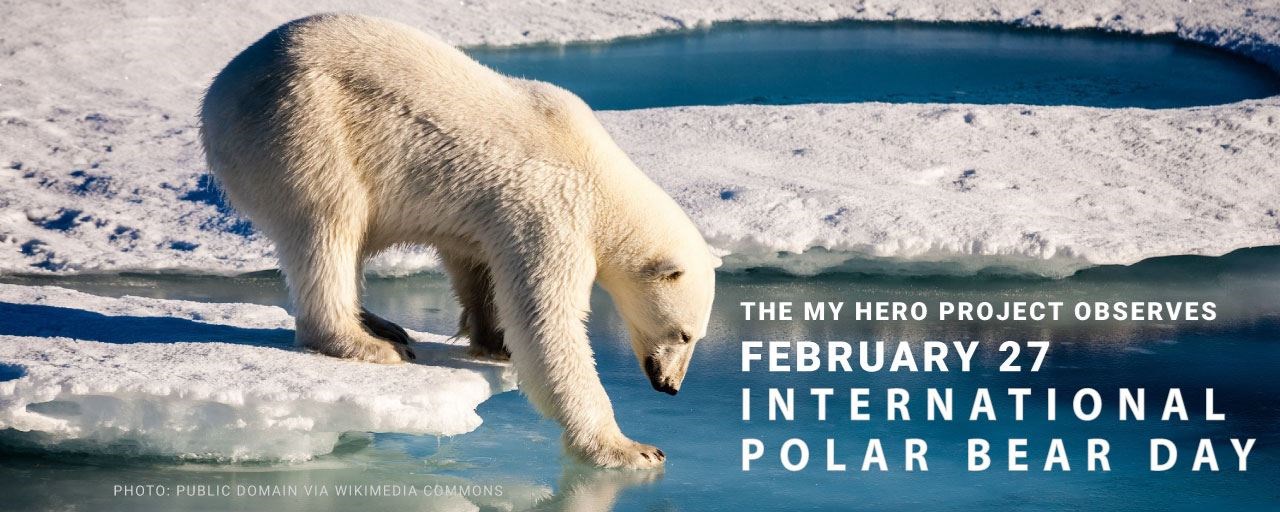
Dia Internacional do Urso Polar

Dia Internacional do Urso Polar celebra-se a 27 Fevereiro de cada ano. Como sabes, o urso polar tornou-se uma espécie protegida desde Novembro 2011.

O governo da Canadá incluiu o urso polar nas espécies vulneráveis ou ameaçadas, depois de uma avaliação feita.

Não creio que continuem a permitir a caça ao urso polar no seu território já que o Canadá foi considerada a capital do urso polar em 2014.


créditos. Katherina M. Miller

urso polar é agora considerado uma espécie vulnerável, sob a ameaça da perda de seu habitat. O gelo do mar. 

Para chamar a atenção para a sua situação, Google mostra as rotas de ursos polares no seu ambiente nativo, através do programa Street View.

Google Street View associou-se ao Dia do Urso Polar para sensibilizar as pessoas, mas sobretudo os jovens a zelar pela preservação da espécie. 

Os ursos polares estão no topo da cadeia alimentar e têm um papel importante na saúde geral do ambiente marinho. Ao longo de milhares de anos, os ursos polares também foram uma parte importante das culturas e economias dos povos do Árctico.

Poderás informar-te de factos interessantes acerca dos ursos polares aqui.
Sabem que somos defensores das causas ambientalistas desde 2005. E estamos sempre prontos a zelar pelos direitos dos animais. E o urso polar merece a nossa melhor atenção. O seu habitat, o gelo, está derreter dia-a-dia. É com dificuldade que se movimentam e se alimentam, actualmente


International Polar Bear

International Polar Bear Day is an annual event celebrated every February 27, to coincide with the time period when polar bear moms and cubs are sleeping in their dens, and to raise awareness about the conservation status of the polar bear.

As part of the celebration, the focus is on the need to protect denning families across the Arctic.


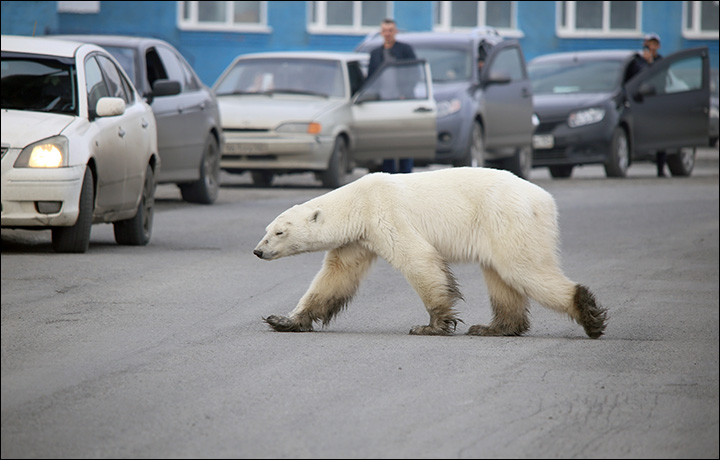
créditos: Zapolyarnaya Pravda

The day encourages people to find ways to reduce their carbon output, such as by turning down their thermostat or driving less. The day has also been used to encourage the installation of energy efficient insulation in houses.

Polar bears are found in five countries across the Arctic: Canada, Greenland, Norway, Russia, and the U.S., in Alaska. However, they are classed internationally as vulnerable on the extinction risk scale, and their numbers are in decline in at least four of the 19 subpopulations across the Arctic.

These fascinating animals are the only bear species to be considered marine mammals. While they spend most of their time out of the water, they are perfectly adapted to swimming and can swim for several hours or even days at a time by using their paddle-like front paws to propel themselves while keeping their hind legs flat to act as a rudder. Swimming long distances requires a lot of energy which can be challenging to replace if the sea ice isn’t suitable for hunting.


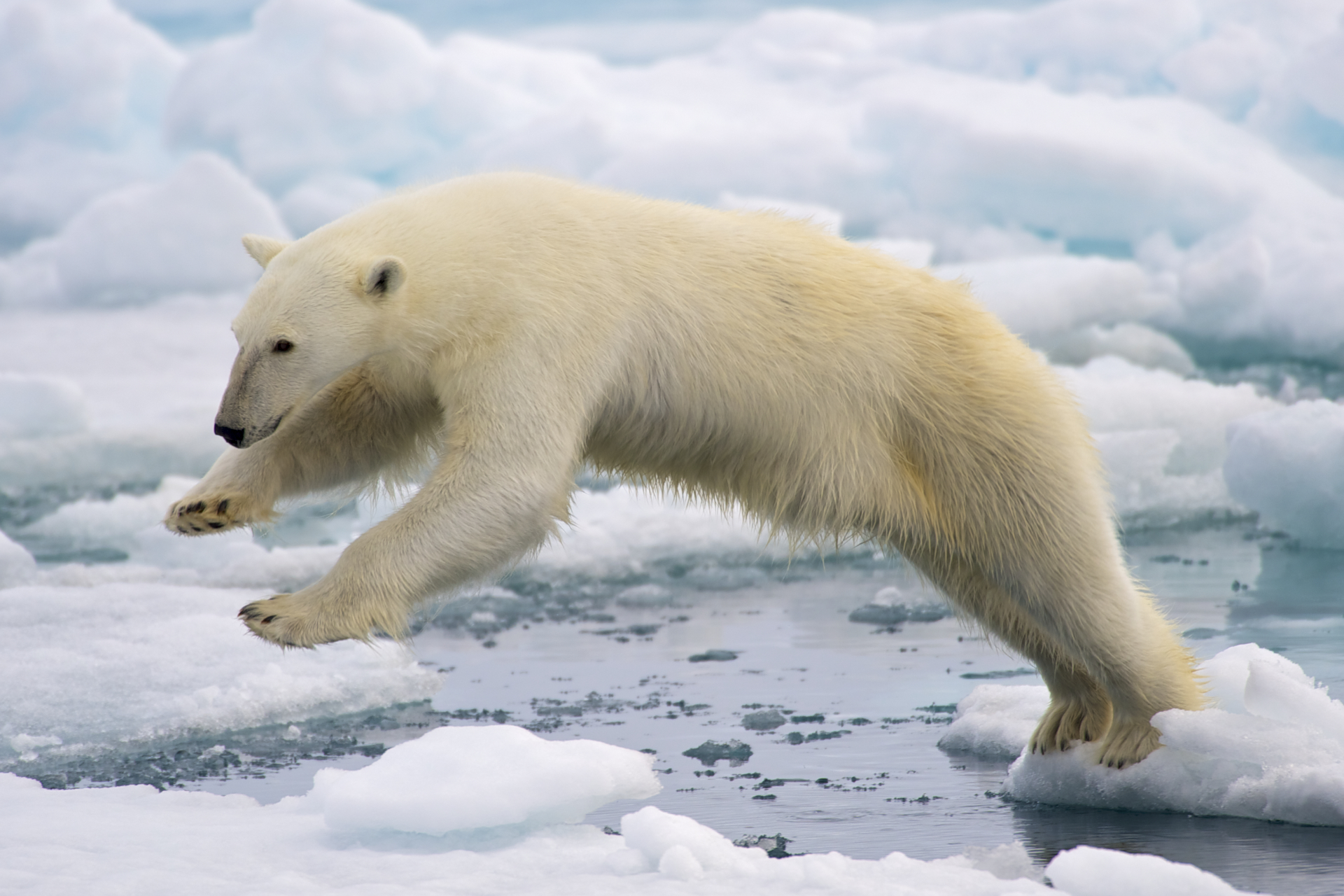
 Arturo de Frias Marques / CC BY-SA 4.0 via Wikimedia Commons

International Polar Bear Day has been noted to be effective in raising awareness online about polar bears through information search.

From their furry, anti-slip feet to the tips of their small, heat-conserving ears, these impressive animals roam across vast areas – sometimes up to 600,000 sq km – to find food and mates. 

To coincide with International Polar Bear Day, we’d like to invite you to get to know more about this magnificent animal.


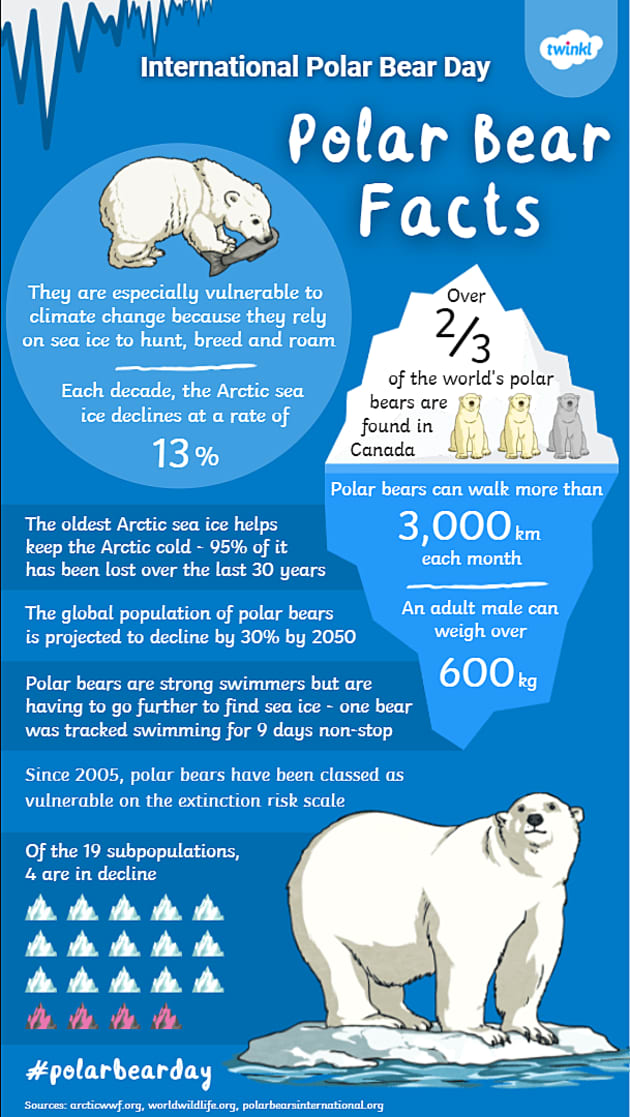
Polar bear Facts

Here an infographic presenting some Polar bear facts. Some of them, you might not have known about!

Well, as young environmentalists, we are defenders of the polar bear and all endangered species since 2005. This blog prove it.

To learn more about polar bears here's some videos

Happy Polar Bear Day !


Geração 'explorer'

28.02.2022


Sunday, May 9, 2021

Dia das Aves Migratórias : Cante, voe como uma ave polar !


Dia Mundial das Aves Migratórias 2021

Dia Mundial das Aves Migratórias celebra-se anualmente duas vezes por ano. No segundo sábado de Maio e Outubro. Este ano celebrou-se a 8 Maio.

Esta comemoração tem como objectivo destacar a necessidade da conservação das aves migratórias e dos seus habitats e aumentar a consciencialização global sobre as ameaças enfrentadas pelas aves migratórias.

As duas datas foram proclamadas como Dia Mundial das Aves Migratórias em 2006 pelo Secretariado do Acordo sobre Conservação de Aves Aquáticas Migratórias da África-Eurásia em colaboração com o Secretariado da Convenção sobre Conservação das Aves Aquáticas Migradoras da África-Eurásia.


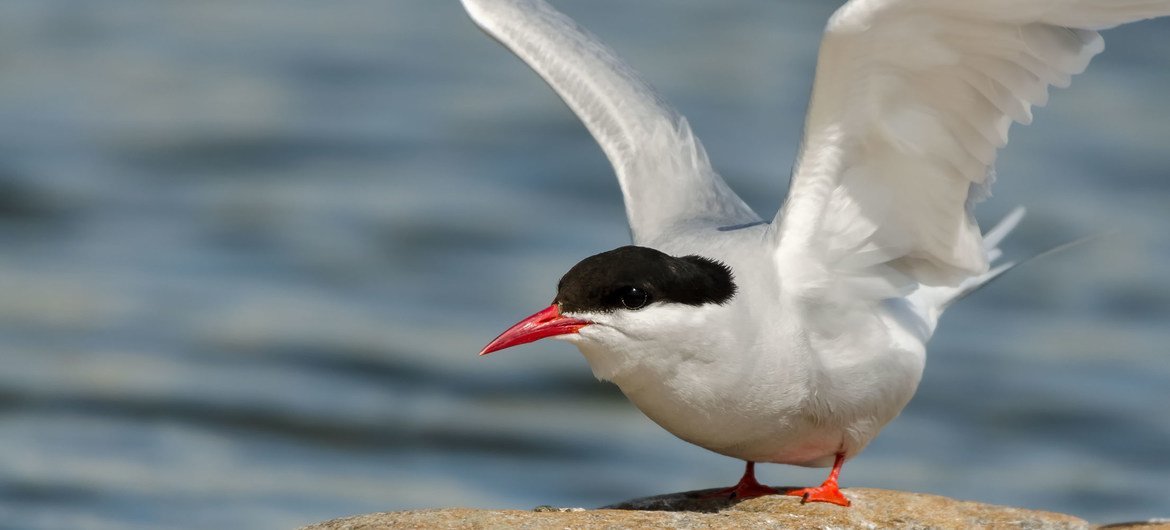
Andorinhas do Árctico na Islândia
credits: Jakub Fryš
World Migratory Bird Day 2021


Tema 2021:

"Cante, voe, suba alto - como um pássaro."

Em 2021, o tema subjacente a esta comemoração é “Sing, Fly, Soar – Like a Bird!. Celebra assim o fenómeno do canto e do voo das aves, de forma a inspirar e ligar pessoas de todas as idades, e de todo o mundo. 

Por outro lado, o tema tem como objectivo apelar a que todos usem as suas próprias vozes e a criatividade para expressar a sua estima pelas aves e pela natureza.

Em 2021, o Dia Mundial das Aves Migratórias celebra a ligação dos seres humanos com as mesmas, através do seu canto e dos seus voos que anualmente rasgam os nossos céus deslocando-se entre os seus ambientes de reprodução e de alimentação. Serve o mesmo para realçar a importância de trabalharmos juntos, além fronteiras, para as proteger.


Trinta-réis-ártico / Sterna paradisuea 


Todos os anos, o trinta-réis-ártico (Sterna paradisuea), uma avezinha preta e branca, com pouco menos de 40 centímetros, realiza um longo vôo de pólo a pólo. Durante nove meses, ele percorre mais de 20 000 mil quilómetros do Círculo Polar Árctico até ao limite da Antárctida e faz o voo de regresso. 

Este é um dia simbólico que coincide com a fase final da migração de Primavera, uma altura em que a maioria das aves está em plena época de nidificação. As rotas migratórias passam geralmente por vários países e, em alguns casos, atravessam continentes e oceanos, sendo, por esse motivo, necessária uma estratégia de gestão eficaz que promova a cooperação internacional.


Em Portugal, grande parte das aves nidificantes chegam até nós nos meses de março e abril, oriundas da África subsariana. No fim do Verão e no Outono, estas aves migradoras empreendem novas viagens épicas desde os territórios de nidificação por toda a Europa, até às zonas de invernada, geralmente em território africano.

Escolas/ Estudantes:

Visitem a Resources page para aceder a material pedagógico (várias línguas)i e aprender mais acerca do tema 2021 : “Sing, Fly, Soar – Like a Bird!”.


World Migratory Bird Day was celebrated on 8 May 2021. Celebrated across the world on two peak days each year – on the second Saturday in May and second Saturday in October – World Migratory Bird Day is the only international awareness-raising and education program that celebrates the migration of bird species along all the major flyways of the world.

Theme 2021

Sing, Fly, Soar – Like a Bird!” is the theme of this year’s World Migratory Bird Day, an annual global campaign dedicated to raising awareness of migratory birds and the need for international cooperation to conserve them.


This year the campaign will focus on the phenomena of “bird song” and “bird flight” as a way to inspire and connect people of all ages around the world in their shared desire to celebrate migratory birds and to unite in a common, global effort to protect birds and the habitats they need to survive.


Arctic swallow
credits: Jakub Fryš

The 2021 World Migratory Bird Day theme is an invitation to people everywhere to connect and re-connect with nature by actively listening to - and watching birds - wherever they are. At the same time the theme appeals to people around the world to use their own voices and creativity to express their shared appreciation of birds and nature.


Birds can be found everywhere: in cities and in the countryside; in parks and backyards, in forests and mountains, in poles and in wetlands and along the shores. They connect all these habitats and they connect us, reminding us of our own connection to the planet, the environment, wildlife and each other. Through their seasonal movements, migratory birds are also regularly reminding us of nature’s cycles.


As global ambassadors of nature, migratory birds not only connect different places across the planet, they also re-connect people to nature and to themselves like no other animals on the planet.


World Migratory Bird Day 2021

In fact, billions of migratory birds have continued to sing, fly and soar between their breeding and non-breeding sites. During the pandemic, which slowed down many activities by limiting our movements, people across the world have been listening to and watching birds like never before. For many people around the world, bird song has also been a source of comfort and joy during the pandemic, connecting people to each other and to nature as they remain in place.

Scientists around the world have also been studying the impact the pandemic is having on birds and other wildlife, looking at how “the anthropause” – the so-called global shutdown in human activity resulting from the COVID-19 pandemic – has effected birds and other wildlife around the world. At the same time, scientists have also been looking at the positive health benefits of birds and nature on humans.

Schools/ Students:

Please visit the Resources page for further materials and to learn more about the 2021 Theme: “Sing, Fly, Soar – Like a Bird!”. 


Geração 'green'

09.05.2021


sources: WMBD 2021/ WMBD 2021 UNESCO/Ciência Viva BR

Tuesday, December 2, 2014

Canadá, capital mundial do urso polar


Polar bears, Churchill, Canada
http://www.everythingchurchill.com/


Descobrimos hoje este vídeo sobre o urso polar na capital mundial do urso polar, Canadá.

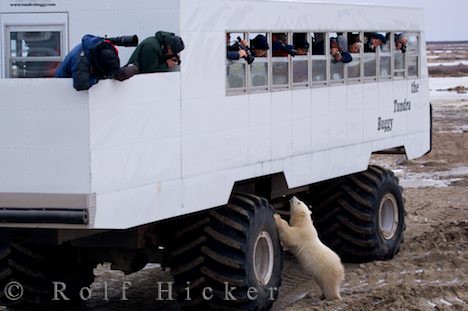
Dado que o consideramos muito elucidativo dos perigos de juntar turismo com animais selvagens, decidimos partilhar.

O Canadá é o país de 15,000 ursos polares aproximadamente que sobrevivem em condições particulares.


E a questão que surge é pode o turismo ajudar os esforços de conservação, quando se trata de espécies ameaçadas?

Brandy Yanchyk faz uma reportagem de Churchill, Manitoba onde durante dois meses por ano, os ursos polares são mais numerosos que os habitantes?
 bears outnumber residents.


The polar bear capital of the world’ is the theme of this video that we found today on BBC science.


Canada is home to around 15,000 of the world’s surviving polar bears.
But can tourism help with conservation efforts when it comes to these threatened animals?
Brandy Yanchyk reports from Churchill, Manitoba where for two months of the year polar bears outnumber residents.


Polar bear :

The polar bear's Latin name, ursus maritimus, means “sea bear.” It is the only bear that is considered a marine mammal because it depends upon the marine environment for survival. It is the largest land carnivore in North America. Its long body, neck and skull distinguish it from other types of bears.

The polar bear is adapted to life in the extremes of the Arctic. Its distinctive white coat acts as camouflage in the snow and ice and it uses this camouflage to hide from the threat of human hunters as well as in stalking and hunting seals. The thick fur has glossy guard hairs and a dense layer of underfur over a thick layer of fat beneath its skin, which helps keep it warm. The soles of the polar bear's feet have small bumps and cavities that provide suction and prevent it from slipping on the icy terrain.


As a carnivore, the polar bear has physical attributes to accommodate its diet. It has large, jagged canine teeth and grinding surfaces in its cheek teeth. It also has large, strong paws for hunting seals in holes in the ice. The claws are sharp, straight, non-retractable and brownish in colour.

Read more on Canadian Geographic


Geração 'explorer'

02.12.2014

Creative Commons License

Tuesday, January 8, 2013

Focas fazem parte das espécies ameaçadas


The Arctic Ocean
seals CTVNews


Duas espécies de focas encontradas no Árctico foram incluídas numa lista de espécies em risco de extinção, elaborada pelos Estados Unidos, informa NOAAo Orgão Americano responsável pelos Mares e pela Atmosfera.


Segundo o NOAA, a foca anelada (Pusa hispida) e a foca-barbuda (Erignathus barbatus) foram reconhecidas oficialmente como espécies em risco devido à perda de habitat pelo derretimento do gelo no Oceano Árctico. Os ursos polares já integravam a lista.

A Lei de Espécies Ameaçadas de Extinção dos EUA, que define uma lista de animais nestas condições, requerendo cuidados especiais para sua preservação, diz que uma espécie em risco “é qualquer espécie que possivelmente se tornará ameaçada em um futuro próximo, em todo seu habitat ou em uma porção significativa dele”. 


Foca-barbuda 
créditos: John Jansen | NOAA (Reuters)


Assim, as espécies de focas estão a um passo de serem consideradas em grande ameaça de extinção, diz o NOAA.
A decisão não resulta ainda em restrições imediatas a acções humanas, como caça ou pesca de subsistência realizada por nativos no Alasca, diz o órgão dos EUA.
No entanto, fundos federais que financiam projectos com potencial para atingir as espécies de focas devem ser revistos. A medida visa garantir protecção às focas, segundo o NOAA.


Foca anelada
créditos: Autor não identificado
via Google Images Archive

“Os nossos pesquisadores revisaram pormenorizadamente as  melhores informações científicas sobre o assunto. E concluíram que houve redução significativa no gelo oceânico do Árctico. Esse facto deve atingir a população de focas”, disse o director de protecção ambiental do NOAA para o Alasca, Jon Kurland, em entrevista ao site da instituição.

O órgão federal espera trabalhar em conjunto com o estado do Alasca e com comunidades nativas da região para “identificar regiões em que houve perda crítica de habitat para as duas espécies de focas”.

As mudanças climáticas que aceleraram o degelo no Árctico afectaram também a formação de neve ao longo do ano, o que deve atingir as focas aneladas, já que elas “protegem e cuidam de seus filhotes em cavernas de gelo na região”, diz o NOAA


Ringed Seal Pusa hispida hispida
credits: NOAA Fisheries

NOAA Fisheries announced today, in compliance with a court ordered deadline, its final listing decision for four subspecies of ringed seals and two distinct population segments (DPSs) of bearded seals under the Endangered Species Act. Specifically, in line with the proposal, NOAA will list as threatened the Beringia and Okhotsk DPSs of bearded seals and the Arctic, Okhotsk, and Baltic subspecies of ringed seals. The Ladoga subspecies of ringed seals will be listed as endangered. The species that exist in U.S. waters (Arctic ringed seals and the Beringia DPS of bearded seals) are already protected under the Marine Mammal Protection Act. Read more here

Geração 'explorer'

08.01.2013
update 11.03.2026
Creative Commons License
Referências/ references:
Estados Unidos incluem focas do Árctico em lista de animais em risco de extinção/ NOAA/G1 Natureza
NOAA lists ringed and bearded ice seals populations under the Endangered Species Act/ NOAA Fisheries