O Dia Mundial das Aves Migratórias celebra-se anualmente duas vezes por ano. No segundo sábado de Maio e Outubro. Este ano celebrou-se a 8 Maio.
Esta comemoração tem como objectivo destacar a necessidade da conservação das aves migratórias e dos seus habitats e aumentar a consciencialização global sobre as ameaças enfrentadas pelas aves migratórias.
As duas datas foram proclamadas como Dia Mundial das Aves Migratórias em 2006 pelo Secretariado do Acordo sobre Conservação de Aves Aquáticas Migratórias da África-Eurásia em colaboração com o Secretariado da Convenção sobre Conservação das Aves Aquáticas Migradoras da África-Eurásia.

Andorinhas do Árctico na Islândia
credits: Jakub Fryš
World Migratory Bird Day 2021
Tema 2021:
"Cante, voe, suba alto - como um pássaro."
Em 2021, o tema subjacente a esta comemoração é “Sing, Fly, Soar – Like a Bird!”. Celebra assim o fenómeno do canto e do voo das aves, de forma a inspirar e ligar pessoas de todas as idades, e de todo o mundo.
Por outro lado, o tema tem como objectivo apelar a que todos usem as suas próprias vozes e a criatividade para expressar a sua estima pelas aves e pela natureza.
Em 2021, o Dia Mundial das Aves Migratórias celebra a ligação dos seres humanos com as mesmas, através do seu canto e dos seus voos que anualmente rasgam os nossos céus deslocando-se entre os seus ambientes de reprodução e de alimentação. Serve o mesmo para realçar a importância de trabalharmos juntos, além fronteiras, para as proteger.

Trinta-réis-ártico / Sterna paradisuea
Todos os anos, o trinta-réis-ártico (Sterna paradisuea), uma avezinha preta e branca, com pouco menos de 40 centímetros, realiza um longo vôo de pólo a pólo. Durante nove meses, ele percorre mais de 20 000 mil quilómetros do Círculo Polar Árctico até ao limite da Antárctida e faz o voo de regresso.
Este é um dia simbólico que coincide com a fase final da migração de Primavera, uma altura em que a maioria das aves está em plena época de nidificação. As rotas migratórias passam geralmente por vários países e, em alguns casos, atravessam continentes e oceanos, sendo, por esse motivo, necessária uma estratégia de gestão eficaz que promova a cooperação internacional.
Em Portugal, grande parte das aves nidificantes chegam até nós nos meses de março e abril, oriundas da África subsariana. No fim do Verão e no Outono, estas aves migradoras empreendem novas viagens épicas desde os territórios de nidificação por toda a Europa, até às zonas de invernada, geralmente em território africano.
Escolas/ Estudantes:
Visitem a Resources page para aceder a material pedagógico (várias línguas)i e aprender mais acerca do tema 2021 : “Sing, Fly, Soar – Like a Bird!”.
World Migratory Bird Day was celebrated on 8 May 2021. Celebrated across the world on two peak days each year – on the second Saturday in May and second Saturday in October – World Migratory Bird Day is the only international awareness-raising and education program that celebrates the migration of bird species along all the major flyways of the world.
Theme 2021
“Sing, Fly, Soar – Like a Bird!” is the theme of this year’s World Migratory Bird Day, an annual global campaign dedicated to raising awareness of migratory birds and the need for international cooperation to conserve them.
This year the campaign will focus on the phenomena of “bird song” and “bird flight” as a way to inspire and connect people of all ages around the world in their shared desire to celebrate migratory birds and to unite in a common, global effort to protect birds and the habitats they need to survive.
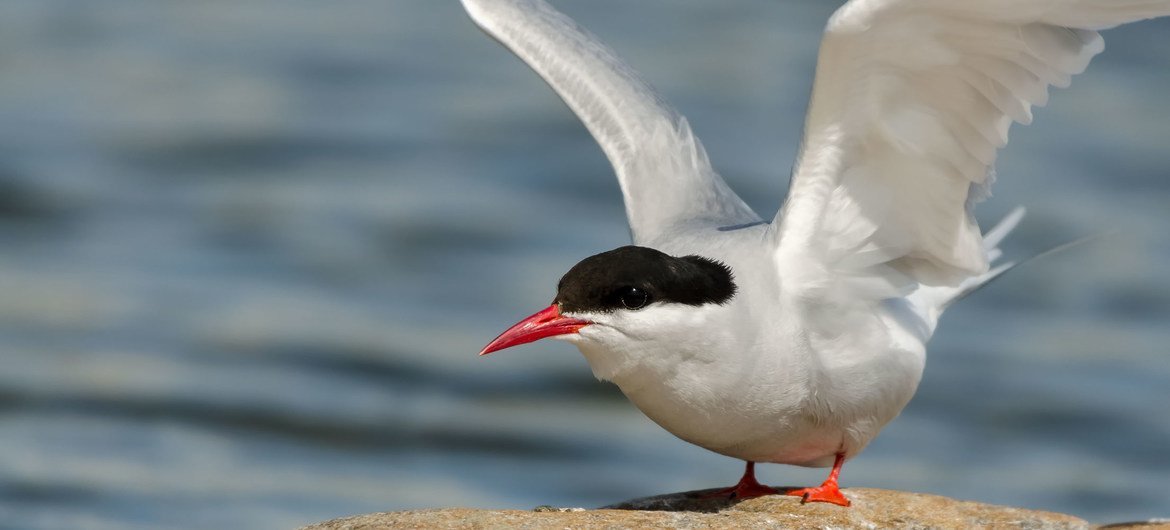
Arctic swallow
credits: Jakub Fryš
The 2021 World Migratory Bird Day theme is an invitation to people everywhere to connect and re-connect with nature by actively listening to - and watching birds - wherever they are. At the same time the theme appeals to people around the world to use their own voices and creativity to express their shared appreciation of birds and nature.

Birds can be found everywhere: in cities and in the countryside; in parks and backyards, in forests and mountains, in poles and in wetlands and along the shores. They connect all these habitats and they connect us, reminding us of our own connection to the planet, the environment, wildlife and each other. Through their seasonal movements, migratory birds are also regularly reminding us of nature’s cycles.
As global ambassadors of nature, migratory birds not only connect different places across the planet, they also re-connect people to nature and to themselves like no other animals on the planet.

World Migratory Bird Day 2021
In fact, billions of migratory birds have continued to sing, fly and soar between their breeding and non-breeding sites. During the pandemic, which slowed down many activities by limiting our movements, people across the world have been listening to and watching birds like never before. For many people around the world, bird song has also been a source of comfort and joy during the pandemic, connecting people to each other and to nature as they remain in place.
Scientists around the world have also been studying the impact the pandemic is having on birds and other wildlife, looking at how “the anthropause” – the so-called global shutdown in human activity resulting from the COVID-19 pandemic – has effected birds and other wildlife around the world. At the same time, scientists have also been looking at the positive health benefits of birds and nature on humans.
Schools/ Students:
Please visit the Resources page for further materials and to learn more about the 2021 Theme: “Sing, Fly, Soar – Like a Bird!”.
Geração 'green'
09.05.2021

sources: WMBD 2021/ WMBD 2021 UNESCO/Ciência Viva BR