Monday, January 16, 2017

Vida dos Ursos Polares ameaçada devido a poluentes químicos


Urso polar sem gelo
credits: Patty Waymire
http://www.huffingtonpost.com/
Agora os poluentes químicos que são mais uma ameaça para a vida dos ursos polares. Isto, como é sabido, para além do aquecimento global.
Esta a conclusão de um estudo divulgado, no passado dia 5 Fevereiro 2017. O estudo sintetiza 40 anos de trabalho de investigação, publicado na revista científica Environmental Toxicology and Chemistry.
Segundo esse estudo, estes poluentes representam um risco para a saúde dos ursos cem vezes superior ao limite considerado aceitável para os animais adultos. 


Urso polar com a sua cria mo Árctico sem gelo
credits: Patty Waymire
http://www.huffingtonpost.com/
Nas crias, sujeitas aos químicos através do leite materno, o risco é mil vezes superior.
"Trata-se do primeiro estudo que visa quantificar o risco que os poluentes orgânicos persistentes representam para ecossistema árctico”.
Sara Villa, toxicóloga da Universidade de Milano-Bicocca, Itália/ AFP
Os cientistas sintetizaram quarenta anos de trabalho sobre a exposição dos ursos polares a químicos, das focas e do bacalhau, numa área entre as ilhas Svalbard (Noruega) e o estado do Alasca (EUA), ambos banhados pelo Oceano Árctico.


Weddell seals 
credits: Timothy New

Usados na agricultura e na indústria, os poluentes orgânicos persistentes, como os pesticidas, mantêm-se durante décadas na Natureza, contaminando por isso a cadeia alimentar. Passam, por exemplo, do plâncton (organismos microscópicos que fluctuam no mar) aos peixes, depois às focas e, por fim, aos ursos.
Ao acumularem-se no organismo, até atingirem doses muito tóxicas, os químicos podem afectar os sistemas imunitário, reprodutivo e endócrino. 
Vestígios de policlorobifenilos (PCB), um dos poluentes orgânicos persistentes, cujo uso está proibido desde a década de 70, foram detectados nos ursos polares, de acordo com a investigação.


Urso polar no Árctico sem gelo
credits: Patty Waymire
http://www.huffingtonpost.com/
Segundo as estimativas, apontam para que, em 2050, a população de ursos polares, já ameaçada pelo degelo decorrente das alterações climáticas, diminua um terço. 
No Árctico, o aquecimento global poderá gerar verões sem gelo dentro de 20 anos, vaticinam os cientistas.


Polar bear  Arctic melt :-(
credits: Patty Waymire
http://www.huffingtonpost.com/
As sea ice near the North Pole melts, polar bears already face the threat of disappearing habitat. Now a study shows they face another: Arctic pollution.
A new analysis by researchers from the University of Milano Bicocca and Masaryk University found that persistent organic pollutants pose a much higher risk to polar bears than to other Arctic predators.
“Persistent organic pollutants (POPs) are chemicals that remain intact in the environment for long periods, travel long distances, accumulate in living organisms, and are toxic to humans and wildlife,” the researchers wrote in their analysis.
(...)
The analysis looked at studies over the past several years on both Arctic pollution and on the three specific animal species.


Weddell seal pup 
credits: Ewan Curtis

The researchers found that the pollutants pose only a low risk for seals. For polar bears, though, the risk is two orders of magnitude higher than the safety threshold. For polar bear cubs being fed with contaminated milk, the risk is three orders of magnitude higher.
For the fish, there was not enough data from all years to give a complete picture.
“The present study indicates a very high potential for toxic effects at least at the top levels of the Arctic food web, particularly for a top predator such as the polar bear and for its offspring,” the researchers wrote.Read more here

Geração 'explorer'
16.01.2017
Creative Commons License
Rerences:
Observador/ Ciência
Earth Your World / Wiley Online Library

Thursday, January 12, 2017

Antárctida : Icebergue gigante em perigo de se desprender


credits: NASA/ Swansea UNiversity

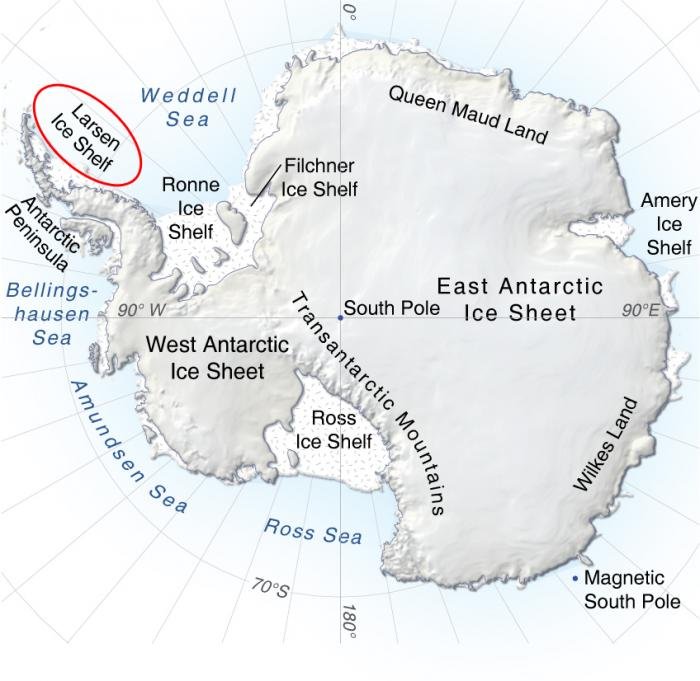
Um icebergue com cerca de cinco mil quilómetros quadrados, considerado um dos dez maiores jamais registados, está perto de se desprender da Antárctida, alertam cientistas da Universidade de Swansea, País de Gales, Reino Unido.

Uma fenda enorme no segmento Larsen C, uma das três existentes na barreira de gelo Larsen, aumentou rapidamente no mês de dezembro e, neste momento, o icebergue está preso à plataforma por apenas 20 quilómetros de gelo.


O Larsen C, de 350 metros de espessura, está localizado na costa oriental da península antárctica e ajuda a travar o fluxo dos glaciares – rios de gelo – que estão por detrás. 

Trata-se da maior plataforma de gelo no norte da Antárctida. As plataformas de gelo são as porções da Antártida em que a camada de gelo está sobre o oceano e não sobre o solo. Segundo os especialistas, trata-se de um pedaço de gelo cuja extensão equivaleria a um quarto do território do País de Gales, pelo que o seu desprendimento poderia provocar outros no futuro.


Midas Project Swansea University


Há vários anos que os investigadores vêm observando a fenda no Larsen C. E atenção redobrou após o colapso do Larsen A – o segmento mais pequeno – em 1995 e do Larsen B, que se desintegrou quase totalmente em 2002. 

“Se [o icebergue do Larsen C] não se desprender nos próximos meses, ficarei espantado”.

Professor Adrian Luckman, Swansea University/BBC

Segundo explicou, os cientistas observaram o aumento da fenda através de imagens do satélite Esa Sentinel. Luckman sublinhou ainda tratar-se de um fenómeno geográfico e não climático, uma vez que a fenda existe há décadas. No entanto, aprofundou-se agora.


Larsen map

Mas que consequências pode ter o desprendimento e a desintegração do Larsen C? Sabemos que o nível médio da água do mar não aumentaria: como este gelo já flutua na água, então o volume que ocupa continuaria a ser o mesmo. O problema é que plataformas como Larsen C funcionam como contraforte que “seguram” os glaciares que flutuam em direção à costa. Quando Larsen A e Larsen B se desprenderam – o primeiro em 1995 e o segundo em 2002 -, a velocidade dos glaciares que eles seguravam aumentou e entraram mar dentro, contribuindo para o aumento do nível médio da água do mar.


Researchers have been tracking the rift in Larsen C for many years, following the collapse of the Larsen A ice shelf in 1995 and the sudden break-up of the Larsen B shelf in 2002
Last year, researchers from the UK's Project Midas reported that the Larsen C rift was growing fast.
But last December the speed of the rift went into overdrive, growing by a further 18km in just a couple of weeks. What will become a massive iceberg now hangs on to the shelf by a thread just 20km long.


Professor Adrian Luckman, Swansea University
credits: P. W.

Project leader, Professor Adrian Luckman, said: "If it doesn't go in the next few months, I'll be amazed.
"There hasn't been enough cloud-free Landsat images but we've managed to combine a pair of Esa Sentinel-1 radar images to notice this extension, and it's so close to calving that I think it's inevitable."
According to Professor Luckman, the area that will break off will be about 5,000 sq km, a size he said that would put the iceberg among the top ten biggest ever recorded.
Professor Luckman added that this is a geographical and not a climate event. Although it is believed that climate warming has brought forward the likely separation of the iceberg.


Ted Scambos & Michon Scott
National Snow and Ice Data Center

They are concerned, though, about how any break-off will impact the rest of the ice shelf, given that its neighbour, Larsen B, disintegrated spectacularly in 2002 following a similar large calving event.


"We are convinced, although others are not, that the remaining ice shelf will be less stable than the present one," said Professor Luckman.
"We would expect in the ensuing months to years further calving events, and maybe an eventual collapse - but it's a very hard thing to predict, and our models say it will be less stable; not that it will immediately collapse or anything like that." Read more here
Geração 'explorer'
11.01.2017

Creative Commons License

References:

Swansea University

Observador/ Ciência


Saturday, December 31, 2016

Top dos posts mais lidos 2016 de Geração Polar : #semestre2


 What a wonderful world ... 
David Attenborough with a polar bear 
BBC's Frozen Planet documentary
credits: BBC

2017 está aí. As férias de Natal terminam dentro de dias. Como fizemos já para o 1º semestre 2016, apresentamos agora uma súmula das nossas publicações do ano 2016, 2º semestre, do blog Geração Polar

A selecção é baseada no número de visitantes dos posts mais lidos. 

Mas antes, gostaríamos de falar sobre o documentário BBC Frozen Planet que está a causar bastante celeuma.

Parece que a imprensa atacou o documentário BBC Frozen Planet devido ao uso de imagens de zoológicos. 

O documentário causou fortes críticasLeia mais


Frozen Planet showed newborn polar bear cubs 
at a wildlife centre in the Netherlands rather than the Arctic
credits: BBC

Looking back at 2016 we have come up with our roundup of what's been most-read on the blog Geração Polar. After the 1st semester 2016, now the selection of 2nd semester 2016. 

The selection is based on page views of the most read posts.

But before we would like to talk about the BBC Frozen Planet documentary. The press has attacked the BBC documentary over its use of zoo footage. No positive images of journalists The press have recent attacks on the BBC documentary Frozen PlanetRead more


Here the Top of the Most-Read Blog Posts of 2016 :

Help ! Urso polar 'mais triste do mundo' não vai ter nova casa 

Pausa férias : O que se passa no Árctico reflecte-se no mundo 

Gelo do Mont Blanc : compreender o aquecimento global 

Gronelândia aquece : cientistas preocupados, população feliz 

Maior Santuário Marinho na Antárctida Protegido

SOS Planeta : Before the Flood & Leonardo DiCaprio 

Oceano Árctico, temperatura mais quente do que o normal

NASA : Que quantidade de gelo perdeu o Árctico? 

O 105º Aniversário 1ª Expedição ao Pólo Sul homenageada com Doodle 


Pizza, the polar bear in the Grandview Aquarium, Guangzhou, China
credits: Yorkshire Wildlife Park

Our crush of the year, 2nd semester? Only one. We want to help once more Pizza, the polar bear. We are engaged on its safety and wellbeing.

Pizza, the sadest polar bear of the world. Living in the  Grandview Aquarium, Guangzhou, China.

Very sad. Shocking. Help ! Urso polar 'mais triste do mundo' não vai ter nova casa 

A tragic polar bear trapped in a mall in Guangzhou China has been offered a new home after his heartbreaking plight made worldwide headlines.
Yorkshire Wildlife Park in Doncaster, England, is making this public offer to Grandview in Guangzhou, China after being alerted to the issue by Animals Asia and its ongoing campaign to close the facility.
Animals Asia has collected over half a million signatures demanding the closure of the Grandview Aquarium, which includes the bear called Pizza, as its star attraction. The campaign has featured on CNN, BBC, Al Jazeera and in newspapers across the globe with the media dubbing Pizza, “the world’s saddest bear”.


Unfortunately, the Chinese aquarium said it has no need for foreign interference, after activists offered to move the animal to a British zoo. And Pizza lives always in horrible conditions. 
Later in November global anger at the plight of 'the saddest polar bear in the world', who was caged in appalling conditions in a Chinese shopping mall, has borne fruit, with the mall owners agreeing to send him back to the ocean park where he was born. 
Earlier this year a viral video of the three-year-old bear, called Pizza, slumped on his side, her mouth quivering, broke the hearts of animal lovers around the world. 

'No amount of renovation could ever make a shopping mall a suitable place for this animal, and to send him back now would be cruel and heartless.'

Qin Xiaona, director of Capital Animal Welfare Association, said: 'It's a good decision, the right decision for Pizza, but it's not the end. 


'Temporary is not good enough. Now we hope that Grandview will learn from this episode and move Pizza permanently so that he never again has to endure the dreadful life in a shopping mall. We hope so too.


Don't forget to visit the the roundup of what's been most-read #semester2 of our polar blog Geração Verde.


May the New Year be a polar defender!
Geração 'explorer'

31.12.2016
Creative Commons License


Tuesday, December 27, 2016

Top dos posts mais lidos 2016 de Geração Polar : #semestre1


No snow no ice?
A solitary bear sits on the edge of one of the Barter Islands. There is no snow, when at this time of year, there should be
credits: Patty Waymire


2017 está aí. As férias de Natal terminam dentro de dias. Apresentamos agora uma súmula das nossas publicações do ano 2016, 1º semestre.


Mas antes, não resistimos a partilhar as fotografias dos Vencedores de Nature  Photographer of the Year Contest 2016Fotografias fantásticas!


Rockhopper penguins run to the safety of the water in the Falkland Islands 
when faced with a southern giant petrel
Paul Mckenzie/Barcroft Images

Passamos então aos posts mais lidos de 2016 do Blog Geração Polar, 1º semestre

A selecção é baseada no número de visitantes dos posts mais lidos.


Fox in the Arctic Circle
credits: Ivan Kislov

Here it comes 2017. We decide to show you the posts of the year 2016, 1st semester.


But first, we don't resist sharing with you the winners of nature photographers National Geographic:  Nature  Photographer of the Year Contest 2016. Awesome photos!


A polar bear mother in cub, Alaska, 2016
credits: Patty Waymire

Looking back at 2016 we have come up with our roundup of what's been most-read on our Blog Geração Polar, 1st semester.


The selection is based on page views of the most read posts.


Fox in the Arctic Circle
credits: Ivan Kislov


Here the Top of the Most-Read Blog Posts of 2016 :


Dr. José Xavier na Antárctida, 2008
créditos: José Xavier

Our crush of the year, 1st semester? Well we have two. Yes. 

Dr. José Xavier : Membro Honorário do BAS, um tributoWe are the students helped by our teacher of Languages & Literature who started to learn about polar education and created this blog, Geração Polar

We were prepared to talk with Dr José Xavier at our school. Unfortunately the school was closed by a strike and we couldn't meet the polar scientist who gently accepted the invitation of our teacher Prof. Gsouto.


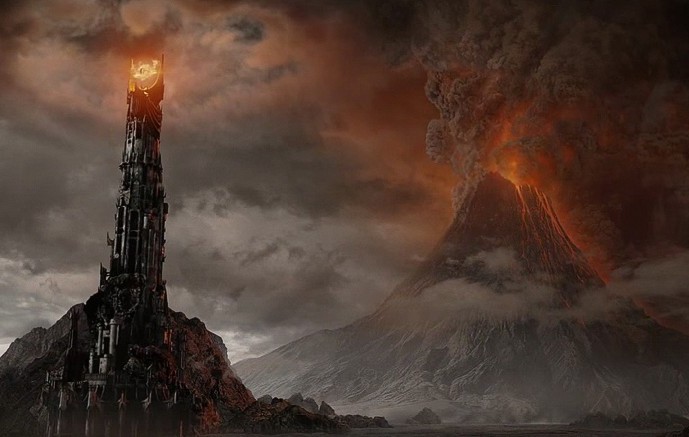
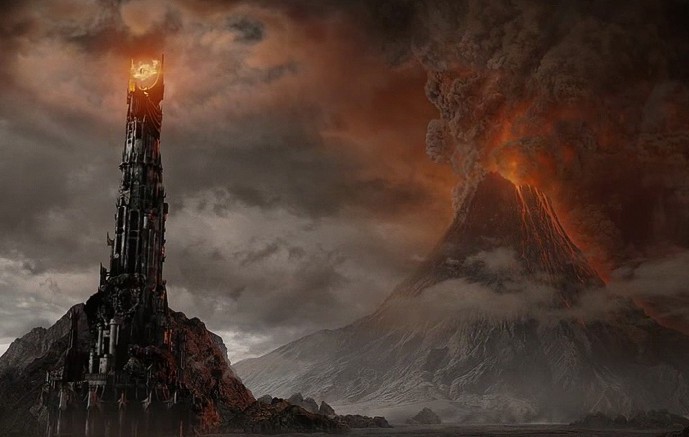
Filme O Senhor dos Anéis
credits: DR
The second? Lembra Senhor dos Anéis? Monte Ruapehu perigo de erupção. This one for reading reasons. We loved to know The Lord of Rings sequel read in Languages curriculum.

It was so excited to follow the adventures of Frodo that passed by Mount Ruapehu, made famous by the Lord of the Rings films.


Don't forget to visit the the roundup of what's been most-read #semester1 of our polar blog Geração Verde.


May the New Year be a polar defender!


Happy New Year ! 


Geração 'polar'

27.12.2016


Creative Commons License