Más notícias mostram agora outro buraco na camada de ozono que se está a formar. Desta vez, o problema está no Árctico e não no Pólo Sul.
Nas últimas semanas, foi descoberto um buraco na camada de ozono do Árctico. É o maior já registado no Pólo Norte e os dados recém-divulgados nos últimos dias revelam que este já é quase tão grande como o buraco na camada de ozono no Hemisfério Sul.
O buraco na camada de ozono no Árctico não é novo, foi registado pela primeira vez em 1997 e depois em 2011. No entanto, o seu tamanho era insignificante em comparação ao do Pólo Sul. Por outras palavras, a diminuição dos níveis de ozono tem sido mínima para ser um verdadeiro buraco de ozono como o da Antárctica. Mas… isso mudou durante 2020.
Este ano, os ventos que atingiram o Pólo Norte prenderam o ar frio dentro de um vórtice polar, tornando o inverno do Árctico mais frio já registado nas últimas décadas. A estas baixas temperaturas, nuvens de alta altitude formaram-se e começaram a destruir o ozono (não as nuvens, mas os componentes da poluição trazidas pelas nuvens).
Nas próximas semanas, com o aumento da temperatura e consequentemente a dissolução das nuvens, o ozono nesta área começará a recuperar. No entanto, também poderá mover-se um pouco e aproximar-se de áreas mais populosas.
A new hole has opened up in the ozone layer — but it's not where scientists would expect to find it. The huge hole has been spotted in the Arctic, on the other side of the planet from the infamous hole that forms each year above Antarctica.
Scientists from the European Space Agency said this week that this rare hole is the largest of its kind ever recorded over the planet's northern hemisphere. It covers an area about three times the size of Greenland, according to the journal Nature.
"From my point of view, this is the first time you can speak about a real ozone hole in the Arctic," Martin Dameris, an atmospheric scientist at the German Aerospace Center in Oberpfaffenhofen told Nature.Read more here Geração 'explorer' 12.04.2020 créditos: vídeo SciTechDaily
"Let us remind ourselves of our duty to preserve and sustainably use the vast variety of life on the planet. Let us push for a more caring, thoughtful and sustainable relationship with nature."
António Guterres, Secretary General, UN
Dia 3 de Março, celebra-se o Dia Mundial da Vida Selvagem. World Wildlife Day foi lançado em Dezembro de 2013, pela Assembleia Geral das Nações Unidas (UN) estabelecendo dia 3 de Março de cada ano (data da assinatura da Convenção sobre o Comércio Internacional de Espécies de Fauna e Flora Selvagem Ameaçadas – CITES).
O Dia Mundial da Vida Selvagem das Nações Unidas é a celebração global de muitas formas belas e variadas de animais e plantas silvestres do nosso planeta, bem como uma oportunidade para aumentar a consciencialização sobre a multiplicidade de benefícios que elas proporcionam às pessoas e a necessidade urgente de reduzir as ameaças.
"Penguins Adelia, common along the entire coast of the Antarctic, they make its nest with pebbles and stones, which helps to protect the eggs from melted snow and the feet of unwanted neighbors."
r.
Actualmente, 25% de todas as espécies do planeta (todos os animais selvagens e tipos de plantas) correm risco de extinção nas próximas décadas. O Programa das Nações Unidas para o Meio Ambiente, Pnuma, lembra que a data está alinhada com os ODSs 1, 12, 14 e 15.
Estas belos mas vulneráveis animais polares são em bastante solitários. No entanto, quando dois ursos se reúnem adoptam um gesto único de cumprimento, tocando suavemente no focinho ou pescoço um do outro.
A meta é abranger todas as espécies de animais e plantas selvagens como um componente da biodiversidade assim como os meios de subsistência das pessoas, especialmente as que vivem mais próximas da natureza.
Mais de sete milhões de pessoas do planeta Terra dependem desses recursos e precisam conviver com harmonia e cuidado com os demais seres vivos para garantir a sobrevivência de todos.
A organização afirma que para sustentar toda a vida da Terra é necessário conservar plantas, animais, ecossistemas, e utilizar a herança do planeta de forma responsável.
Procurar no mapa de eventos mundiais que têm lugar em todo o mundo.
Conhecer as espécies e as recursos naturals, ficarem a conhecer os desafios que elas enfrentam e como nós humanos podemos ajudar.
Compartilhar o que aprender com amigos e familiares.
Espalhar a palavra! Crianças e jovens, vós sois os futuros líderes da conservação da vida selvage. Merecem um futuro onde os humanos vivam em harmonia com a vida selvagem que o planeta compartilha connosco. Aliás, já começaram a luta pelo Planeta.
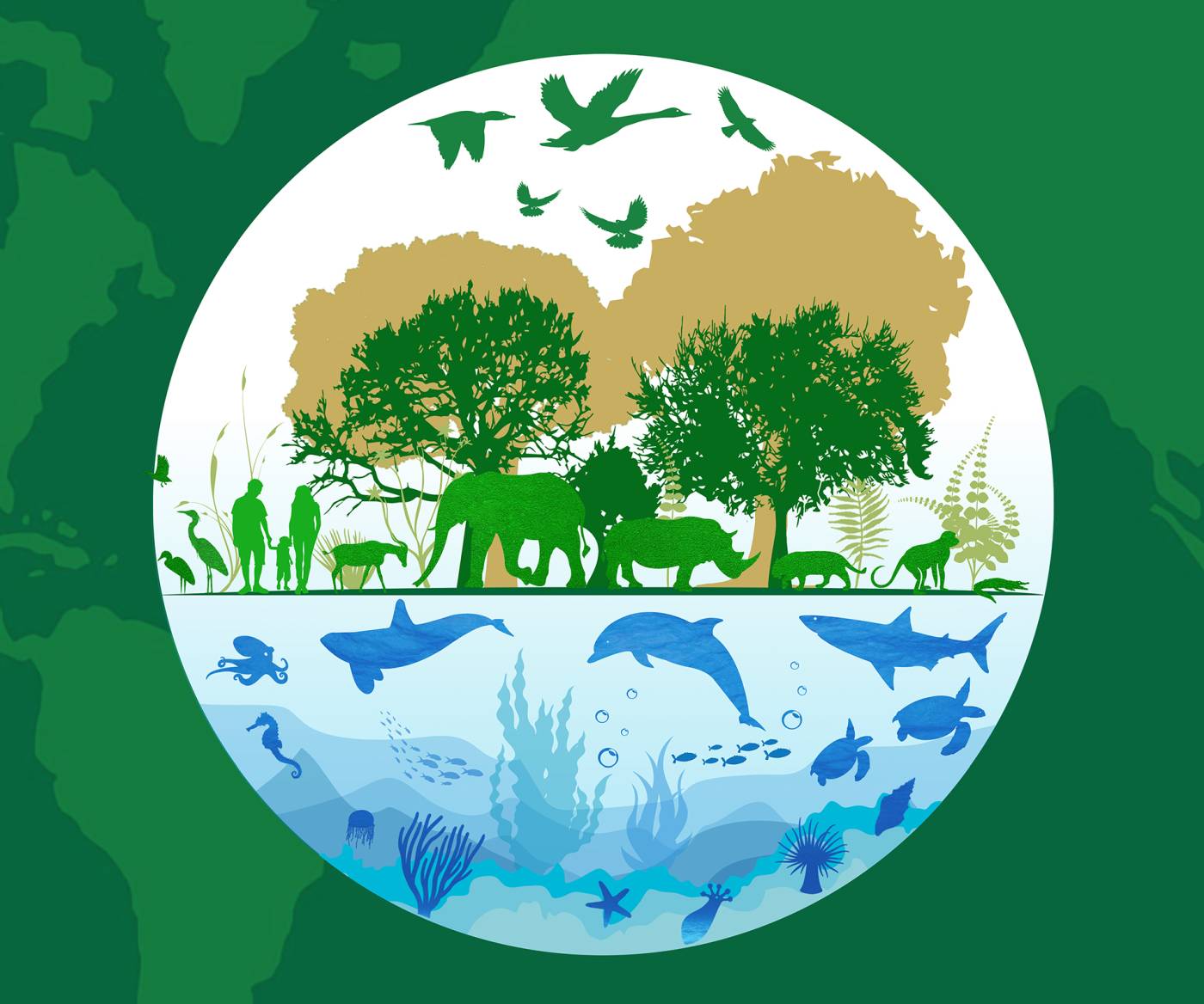
Earth is home to countless species of fauna and flora, too many to even attempt counting. This rich diversity, and the billions of years during which its myriad elements have interacted, are precisely what has made our planet inhabitable for all living creatures, including humans.
"Historically, we have depended on the constant interplay and interlinkages between all elements of the biosphere for all our needs: the air we breathe, the food we eat, the energy we use, and the materials we need for all purposes."
However, unsustainable human activities and overexploitation of the species and natural resources that make up the habitats and ecosystems of all wildlife are imperiling the world’s biodiversity. Nearly a quarter of all species are presently at risk of going extinct in the coming decades, and their demise would only speed up the disappearance of countless others, putting us in danger as well.
On World Wildlife Day 2020, we will celebrate the special place of wild plants and animals in their many varied and beautiful forms as a component of the world’s biological diversity.
UN World Wildlife Day highlighted wild fauna, flora and biodiversity in film competition
The 10 laureates were picked from 35 finalists, out of a total 345 entries in eight categories. They were unveiled during the high-level event marking the World Wildlife Day celebrations at the UN Headquarters in New York, in the presence of representatives of UN Member States, UN System organizations, major civil society groups and local students. You can know the winners here.
How do emperor penguins gain this haul as they protrude from the ocean to land? The trick is to release air bubbles under your feathers as you swim towards the shore. This reduces the resistance of their bodies and drives them faster through the water.
Schools & students:
Get involved:
Share what you've learned with your friends and family.
Spread the word, especially children and youth. You are the future leaders of wildlife conservation and you deserve a future where we humans live in harmony with wildlife that share the planet with us.
The posters were provided byPatrick George, CWCAandC. G. Mister. The posters are available in the six official languages of the United Nations and also in higher resolution on the Flickr page.
Hashtags:
Remember to use the hashtags #WorldWildlifeDay #WWD2020 #SustainingAllLife #Biodiversity2020 #SustainableUse.
Depois de publicarmos a retrospectiva das publicações 2019 relativa ao Top dos post mais lidos do#semestre1 2019, passamos a apresentar a súmula das nossas publicações do ano 2019, #semestre2, do blog Geração Polar.
Looking back 2019, we have come up with our roundup of what's been most-read,#semester2on our Blog Geração Polar. The selection is based on page views of the most read posts:
First, we don't resist sharing with you some amazing photographs of wildlife. This time fromThe Wild Photographer of he Year 2019. Awesome photographers. Such great photos. Beautiful wild animals!
After a rough journey by sea to the remote Snow Hill island off the east coast of the Antarctic peninsula
Turistas foram vistos a aproximar-se da cratera do vulcão White Island poucos momentos antes da erupção.
As imagens falam por si. Uma coluna gigante de fumo cobre quase toda a paisagem de cinzento, enquanto os operadores turísticos tentavam resgatar as pessoas ainda no local.
Diversas turistas morreram depois do vulcão ter entrado em erupção inesperadamente. Um destino turístico da Nova Zelândia. A polícia temeu não haver sobreviventes. E muito poucos houve, apesar das constantes buscas feitas também pelo exército.
Moments before one of New Zealand's most active volcanoes erupted in December, tourists were seen walking inside its rim.
Vulcão White Island/ Nova Zelândia
créditos: Michael Schade/EPA
Tourists died. Rescuers searched for more tourists alive or not. Military recover team returned. Some bodies transferred from White Island to HMNZS Wellington by helicopter, as divers search for final missing.
Some academics have been questioning the wisdom in allowing White Island to be a tourism destination.
Don't forget to visit the the roundup of what's been most-read #semester2 of our green blog Geração Verde.
Climate change and oceans pollution must be two important issues to talk in school curricula to continue waking up young people.
May 2020 be a New Year for the defense of the environment and the wildlife on the planet Earth! Keep our eyes on Climate Action!