Friday, August 12, 2016

Pausa férias : O que se passa no Árctico reflecte-se no mundo


Credits: Greenpeace


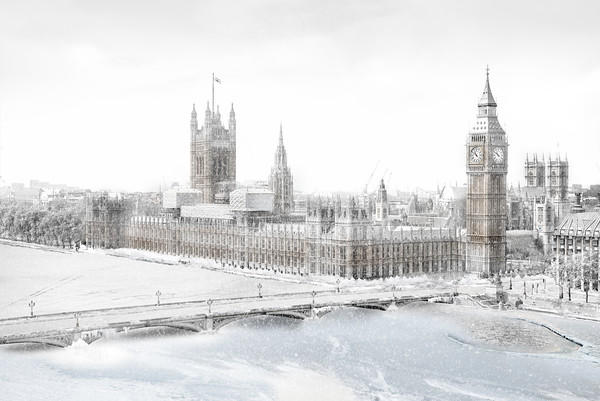
Como seriam alguns dos monumentos e lugares mais emblemáticos do planeta se o gelo do Árctico derretesse? 

A ONG ambientalista Greenpeace criou cenários futuros, para tentar responder a essa pergunta, um vídeo que dramatiza alguns dos efeitos do degelo. Ver aqui o vídeo (versão espanhola). Imagens que podem tornar-se realidade se não se tomarem medidas urgentes para atacar o aquecimento global.


Big Ben & Rio Tamisa
creditos: Greenpeace


Big Ben & Rio Tamisa
creditos: Greenpeace simulation

A Torre de Ouro de Sevilha passaria a ter vista para um desolador terreno seco e o Big Ben de Londres não estaria tão próximo do rio Tamisa, que seria uma sombra do que é hoje, em termos de caudal.


Muralha da China
creditos: Greenpeace 


Muralha da China
creditos: Greenpeace simulation

Os hotéis da marginal de Miami seriam fustigados pelas ondas e a Grande Muralha da China teria uma envolvente bem diferente daquela a que estamos habituados a ver.


Miami
creditos: Greenpeace


Miami
creditos: Greenpeace simulation
http://imagenes-cdn.farodevigo.es/

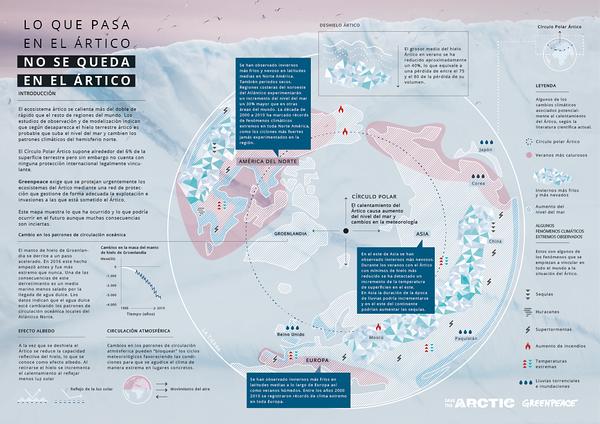
O vídeo faz parte integrante do relatório O que acontece no Árctico afecta-nos a todos, que sensibiliza para a importância deste continente gelado se o gelo derreter completamente. Assim refere o jornal espanhol ABC que divulga a versão espanhola do vídeo (acima).


Ludovico Einaudi toca 'Elegia pelo Árctico' no Árctico
credits: Greenpeace
credits: pedro armestre / greenpeace

Foi também para a campanha Vozes pelo Árctico da associação ambientalista Greenpeace que o pianista italiano Ludovico Einaudi compôs uma peça dedicada a essa campanha, a que chamou “Elegia pelo Ártico” e que tocou numa plataforma no gelo Ártico.

É tempo de fazer uma curta pausa, como já é usual. As férias escolares começaram para nós, final Julho. Prometemos voltar em Setembro!

Aprendam a apreciar a beleza do nosso Planeta e dos animais que nos fazem companhia. Sim, porque a Terra não é só dos Homens. Os animais sempre a habitaram, e por culpa de alguns de nós, muitas espécies a nível mundial estão em risco de extinção. Cuidem da Terra!
Ah! Não esqueçam de visitar o nosso blog verde Geração Verde.


Artic
credits: Greenpeace/ ABC (Spanish version)
The Arctic is a remote wilderness that is home to some of the most iconic, and threatened, wildlife on Earth, including polar bears, narwhal and Arctic foxes. Few of us have been lucky enough to explore the expanses of sea ice, glaciers or ice-sheets, yet we are inextricably linked to this vast region and it plays an integral role in our global climate system. Rising temperatures in the Arctic region appear to be influencing weather systems in other areas of the world, though the details of the complex processes involved are unclear.


credits: Greenpeace

The Arctic region is warming at more than twice the rate of other areas of the world in a phenomenon known as 'Arctic amplification'. The sea ice is melting earlier and the total area of summer sea ice has, on average, fallen markedly over the last 30 years. The receding sea ice results in more heat being exchanged between the ocean and the atmosphere. The whole Arctic region has become visibly darker with a lack of ice and snow, and this has affected the surface albedo (reflective properties) so that more energy is absorbed into the environment. An unstoppable positive feedback mechanism may have been set in motion that will further contribute to climate change across the globe.


credits: Greenpeace

A series of unprecedented weather extremes have been recorded throughout the last decade–'super-storms', droughts, heat waves, floods and record breaking snowy winters. Climate modelling suggests that these extreme weather events will become even more common in the future, causing heavy human and economic losses. Already many lives have been lost, homes flooded, grain harvests spoiled and forests burned with grave consequences for biological systems and human livelihoods. Research is still in its infancy and scientists are trying to understand better how the complex atmospheric processes of the poles are influencing mid-latitude weather patterns. There is still much debate. However, there seems no doubt that warming of the Arctic region is a major contributory factor. Read more here


Ludovico Einaudi plays Elegy for the Arctic
credits: Greenpeace
credits: pedro armestre / greenpeace

The composer Ludovico Einaudi has turned eight million voices into music, Elegy for the Arctic, specially composed to help protect the Arctic.

"As he performed this piece for the first time - in front of a magnificent surging glacier - the music echoed across the ice, a moment that will remain in our minds forever."

Through his music, acclaimed Italian composer and pianist Ludovico Einaudi has added his voice to those of eight million people from across the world demanding protection for the Arctic. Einaudi performed one of his own compositions on a floating platform in the middle of the Ocean, against the backdrop of the Wahlenbergbreen glacier in Svalbard, Norway. 

What can you do?

"Add your voice! We are just days away from a decision that could mark the real beginning of the Arctic Sanctuary. What is your reason for protecting the Arctic? Write it here and we'll make sure it reaches the Arctic."

Greenpeace campaign 'The Arctic Needs Your Voice' 


We hope you are enjoying our blog Geração Polar! It's Summer breack. Please care the Earth. Our planet needs all of us.

We will be back in September, as usual. See you soon.

By the way, don't forget to visit our green blog Geração Verde.


Geração 'explorer'

12.08.2016
Creative Commons License

References:

Greenpeace/News
Observador/ Ciência
Faro de Vigo/ Sociedad

Saturday, July 23, 2016

Gelo do Mont Blanc : compreender o aquecimento global


Mont Blanc
créditos: KoenVI


Jérôme Chappellaz, director de pesquisa no Laboratório de Glaciologia e Geofísica do Meio Ambiente (LLGE) de Grenoble, França explica à AFP que "O gelo é um poço de informação".
A ideia de armazenar amostras de glaciares na Antárctida pode parecer estranha, mas é o objectivo de uma equipe de pesquisadores que, em Agosto, irão extrair gelo do Mont Blanc, ameaçado pelo aquecimento global.
As bolhas de ar e impurezas dos blocos de gelo carregam informações muito importantes sobre as condições atmosféricas verificadas há séculos ou mesmo há milhares de anos atrás.
Foi assim que os investigadores conseguiram estabelecer o vínculo entre as temperaturas e os gases do efeito estufa. 


Mont Blanc
créditos: source AFP
Em Mont Blanc, os investigadores vão poder estudar, em particular, a evolução da poluição ou da actividade industrial a nível europeu ao longo de cem anos. O projecto denomina-se Sauvegarde du patrimoine glaciaire mondial.
Uma dezena de especialistas franceses, italianos e russos vão passar vários dias a 4.300 metros de altitude num maciço dos Alpes franco-italianos para extrair três barras de gelo de 140 metros de comprimento.
Uma das amostras será analisada no laboratório de Grenoble. O objectivo é construir uma base de dados aberta a todos os cientistas. 


Concorde Base Antarctida
credits: Stephen Hudson
As outras duas amostras irão para a base franco-italiana de Concordia, na Antárctida em 2019 e 2020, onde serão conservadas numa cova de neve, "um congelador natural a -50ºC", a salvo de problemas eléctricos. 
O objectivo é preservar durante séculos "a memória do gelo", uma “matéria-prima" extremamente valiosa para os cientistas.
Na primeira metade de 2017 está prevista outra operação similar em Illimani, na Bolívia, a 6.300 metros de altitude, em condições muito mais difíceis. 
Nos próximos dez anos, os investigadores esperam extrair vinte amostras de todos os continentes. 
Daqui por cinquenta anos, "talvez existam as ferramentas necessárias para analisar, mas pode ser que já não tenhamos as amostras de gelo", 
Jerôme Chappellaz
Parte da dificuldade está no tempo de vida dos glaciares naturais, uma vez que estas evoluem e fundem-se rapidamente.
O gelo a menos de 3.500 metros de altitude nos Alpes desaparecerá antes do fim do século XXI. 
Nos Andes, o glaciar de Chacaltaya, na Bolívia, situada a 5.300 metros, desapareceu em 2009.
“Este ano, fundiu-se gelo a 6.000 metros de altitude no Illimani, devido ao fenómeno do El Niño", explica Patrick Ginot, do Instituto Francês de Pesquisa para o Desenvolvimento, e um dos promotores deste projecto.
O aquecimento é uma realidade que não podemos continuar a igonorar. Leia-se o artigo Climat: record à la mi-2016


Mont Blanc/ Dôme
crédits: LGGE

"Dans les prochaines décennies ou même les prochains siècles, ce patrimoine englacé aura une valeur inestimable: pour des trouvailles scientifiques totalement inédites ou pour comprendre les évolutions locales de l’environnement. Je soutiens pleinement ce projet. »


Jean Jouzel, climatologue vice-président de la commission scientifique du GIEC de 2002 à 2015, prix Nobel de la Paix en 2007.


crédits: LGGE


Lundi 15 août, et jusqu’à début septembre, une équipe internationale d’une dizaine de glaciologues et ingénieurs - français, italiens, russe et américains - coordonnée par Patrick Ginot, ingénieur de recherche à l’Institut de recherche pour le développement (IRD) au sein du Laboratoire de glaciologie et géophysique de l’environnement (LGGE) de l’Université Grenoble Alpes et du CNRS et Jérôme Chappellaz, directeur de recherche CNRS dans ce même laboratoire, se rendra au col du Dôme (4 300m, massif du Mont-Blanc) pour prélever les premières « carottes-patrimoine ». 

L’objectif est de constituer la première bibliothèque mondiale d’archives glaciaires issues de glaciers menacés par le réchauffement climatique. A continuer ici.

Le rechauffement climatique est une réalité. A lire l'article Climat: record à la mi-2016

Geração 'explorer' 

23.07.2016

Creative Commons License

Tuesday, June 21, 2016

Vozes pelo Árctico : concerto Ludovico Einaudi no... Árctico


Ludovico Einaudi
credits: Greenpeace

O pianista e compositor italiano Ludovico Einaudi deu um concerto no Árctico. O concerto organizado pela associação ambientalista Greenpeace aconteceu numa plataforma flutuante semelhante a um iceberg em frente ao glaciar de Wahlenbergbreenna região de Svalbard, Noruega. 

Tratava-se de dar visibilidade ao problema da redução da superfície gelada do Árctico, devido às alterações climáticas.

Ludovico Einaudi compôs uma peça especialmente para a ocasião a que deu o título “Elegia pelo Árctico". O compositor viajou até à região polar a bordo do navio Arctic Sunrise, da Greenpeace.


Ludovico Einaudi
credits: Greenpeace
O concerto faz parte da iniciativa Vozes pelo Árctico, lançada na semana em que a associação ambientalista reúne no contexto da Convenção OSPAR (Comissão Internacional para a Protecção do Meio Marinho do Atlântico Nordeste), na ilha de Tenerife, em Espanha.
O piano de Ludovico Einaudi associa-se assim, às vozes de cerca de oito milhões de pessoas em todo o mundo que se juntam à associação ambientalista no apelo pela protecção do Ártico.

O concerto deve ter sido uma sensação maravilhosa para quem esteve no Árctico! Uma coisa é ouvir em vídeo, outra terá sido o som que ecoou pelo Árctico.

Só podemos agradecer a Ludovico Einaudi, uma voz musical tão importante e conhecida mundialmente - somos seus fãs - ter-se juntado a esta causa ambientalista a favor do Árctico.


Ludovico Einaudi
credits: Greenpeace

Greenpeace holds a historic concert with pianist Ludovico Einaudi on the Arctic to call for its protection

Two weeks ago the Greenpeace ship Arctic Sunrise set off from the Netherlands carrying a very special load: the voices of eight million people. Messages from around the globe calling for governments to save the Arctic from threats such as oil drilling and destructive fishing.


The composer Ludovico Einaudi has turned eight million voices into music, Elegy for the Arctic, specially composed to help protect the Arctic.

"As he performed this piece for the first time - in front of a magnificent surging glacier - the music echoed across the ice, a moment that will remain in our minds forever."

Through his music, acclaimed Italian composer and pianist Ludovico Einaudi has added his voice to those of eight million people from across the world demanding protection for the Arctic. Einaudi performed one of his own compositions on a floating platform in the middle of the Ocean, against the backdrop of the Wahlenbergbreen glacier in Svalbard, Norway. 


Ludovico Einaudi concert is the Arctic
credits: pedro armestre / greenpeace


The timing of Einaudi’s performance is not by chance. This week, delegates at the OSPAR Commission meeting in Tenerife, Spain, have an opportunity to take an important step in protecting the Arctic. The proposal before them would safeguard 10% of the Arctic ocean, an area roughly the size of the UK. Read more here


It is urgent. The Arctic ocean is the least protected sea in the world, its high seas currently have no legal safeguards. As the ice cover decreases with rising temperatures, this unique area is losing its frozen shield, leaving it exposed to reckless exploitation, destructive fishing trawlers and risky oil drilling. Read more here


We loved the idea. A concert in the Arctic by Ludovico Einaudi, a well known musician and composer, so admired in the world. We are fans.

He came to Portugal and his concerts were just wonderful.

Such an important voice pledging for the Arctic! Thank you Einaudi. And thank you Grennpeace always so creative in its fight to protect our planet.


Geração 'explorer'

21.06.2016

Creative Commons License

Wednesday, June 8, 2016

Dia Mundial dos Oceanos : #HealthyOceans


“Urgent action on a global scale is needed to alleviate the world’s oceans from the many pressures they face, and to protect them from future dangers that may tip them beyond the limits of their carrying capacity. ”
Secretary-General Ban Ki-moon
Hoje é Dia Mundial dos Oceanos. Depois de celebrarmos o Dia Internacional da BiodiversidadeDia Mundial do Meio Ambienteeis-nos de novo a chamar  a atenção para o Dia Mundial dos Oceanos.

O tema do Dia Mundial dos Oceanos 2016 é "Oceanos Saudáveis, Planeta Saudável" de modo a acabar com poluição provocada pelos plásticos.

Um oceano saudável é um planeta saudável, e um planeta saudável é absolutamente vital para o bem estar das futuras gerações.


credits: UNESCO

Os oceanos ocupam dois terços da superfície da Terra e pela interacção com a atmosfera, litosfera e biosfera têm um papel importante nas condições climatéricas do planeta. 

Por outro lado, os oceanos não são apenas o habitat de um vasto número de plantas e animais. Fornecem também comida, energia e múltiplos recursos aos seres humanos.

Mais de três biliões de pessoas dependem da biodiversidade marinha e costeira para subsistir.


credits: UNESCO

Today, we celebrate World Oceans Day. May 22 we celebrated the International Day for Biological Diversity (IDB) to increase understanding and awareness of biodiversity issues. And June 5, World Envioronment Day.

Portugal is an Ocean country. The Sea is a mean of communication and transportation, a source of food and medicines, of energy and living resources. The Ocean creates employment and promotes the economy of the country.

The ocean is the heart of our planet. Like your heart pumping blood to every part of your body, the ocean connects people across the Earth, no matter where we live. The ocean regulates the climate, feeds millions of people every year, produces oxygen, is the home to an incredible array of wildlife, provides us with important medicines, and so much more! In order to ensure the health and safety of our communities and future generations, it’s imperative that we take the responsibility to care for the ocean as it cares for us.
This year, the theme is "Healthy oceans, healthy planet", and UN is making a special effort to stop plastic pollution.
Plastic pollution is a serious threat because it degrades very slowly, polluting waterways for a very long time. In addition, plastic pollution impacts the health of aquatic animals because animals including zooplankton mistake the microbeads for food. Scientists also fear health impacts for humans.

A healthy ocean is a healthy planet, and a healthy planet is absolutely vital for the well-being of generations to come. 


credits: UNESCO

UNESCO’s Director-General message on the occasion of the World Oceans Day has been very clear: “The Ocean is essential to moving forward”.

In fact, the ocean has been a crucial component of the development of human societies since the dawn of history, as well as it is key in the sustainability of our environment. This can be seen in the archaeological traces found today under the water of our oceans. A vast number of the testimonies of this relation between the human societies and the oceans remain preserved today underwater and they are in danger due to the increasing impacts of human activities on the marine environment.
The United Nations will celebrate World Oceans Day 2016 and recognize the winners of the Annual World Oceans Day Oceanic Photo Competition at an event on 8 June 2016 at the United Nations Headquarters.

Welcome to the World Oceans Day Portal of the Intergovernmental Oceanographic Commission (IOC) of UNESCO!


credits: Martine PerretUN


The IOC is delighted to welcome you back to celebrate the 2016 edition of the United Nations World Oceans Day, held each year on 8 June. People all over the globe are celebrating in multiple events – big and small – to mobilize society and protect the ocean, its biodiversity and its resources.

The IOC has created this portal as a guide to this special celebration: a history of World Oceans Day, the programme of activities organized at UNESCO Headquarters and around the world, a press kit, event-planning resources and much more!

How will you celebrate World Oceans Day? Share your stories, pictures, videos – anything goes to show your enthusiasm! 

Tag your Facebook and Twitter posts #WorldOceansDay and get in on the worldwide festivities.

This is your portal to tune into all that is happening worldwide around World Oceans Day. Read more here

Good surfing!

Geração 'explorer'

08.06.2016


Creative Commons License