Friday, January 22, 2021

Geração Polar : Top de Posts 2020, semestre #1


credits: unknown
via 
@JoaquimCampa

Antes de mais, Bom ano 2021! Não, não é uma piada. Haja esperança e coragem! Não podemos deixar-nos vencer pelos tempos difíceis provocados pela pandemia Covid-19 provocados pela pandemia Covid-19  e suas variantes.


Há que cumprir rigorosamente as regras sanitárias propostas pela DGS e WHO e o confinamento proposto em cada país.


Eis-nos de volta! Embora as escolas tenham encerrado por 15 dias e as universidades estejam a funcionar em regime de ensino à distância. 
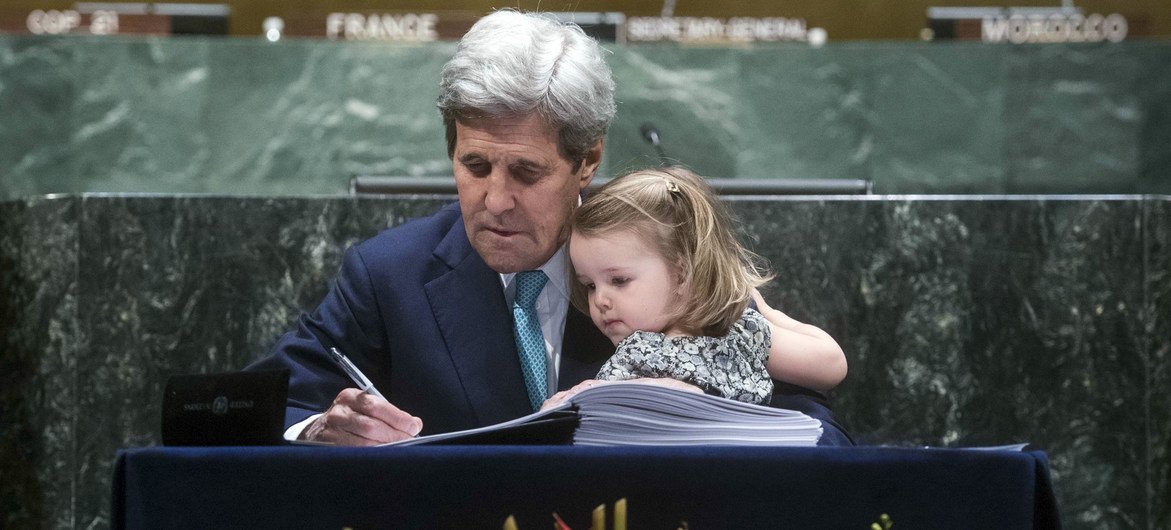


Paris Agreement 2015
credits: UN photo/ Amanda Voisard, 2015

Há no entanto, algumas notícias positivas. Estados Unidos voltam ao Acordo de Paris / Agreement Paris 2015. E as Nações Unidas parabenizam uma das primeiras medidas tomadas pelo novo Presidente. 


As restantes notícias não são muito animadoras dado que o aquecimento do planeta continua a fazer-se sentir, e os pólos desrretem, apesar dos confinamentos a nível mundial.


credits: NASA's Goddard Institute for Space Studies
via NASA


Este gráfico ilustra a mudança na temperatura global da superfície em relação às temperaturas médias de 1951-1980.


Feita esta introdução, falemos do Top de Posts mais lidos 2020. Um ano menos activo devido aos confinamentos, ao mal estar geral da população. Difícil de gerir.


Embora com menos regularidade, continuamos a propor alguns temas relativos ambiente na Antárctida e no Árctico.


credits: David Shultz
via 
@JoaquimCampa


Tal como fizemos em 2015, 2016, 2017, 2018, e 2019 passamos a apresentar o Top dos posts mais lidos 2020 #semestre1 de Blog Geração Polar. 

A selecção é baseada no número de visitas ou no interesse dos temas de cada publicação e não pela ordem temporal.


credits: Luis Burgueño
The Comedywildlife gallery


Happy Year 2021!  Hope all our readers are well. Looking back 2020 we are coming up with a roundup of what's been the best posts of our green blog Geração Polar Portugal.


We are respecting lockdown since December. Yes, like the most of European countries and all over the world. Not easy to survive without seeing family and friends. And no culture at all.  Just some pedestrian randonée near home. 


Well, we must face all together this cruel pandemic time, thinking about for better days. 


Paris Agreement
via AP News

Some good news. US return Paris Agreement. On 20 January 2021, the United States of America notified the Secretary-General of its acceptance of the Paris Agreement of 12 December 2015. 


Some bad news. Global warming continues. 2020 was not only the year of the COVID-19 pandemic. It was also the year of intensifying climate change: high temperatures, floods, droughts, storms, wildfires and even locust plagues. Even more worryingly, the world is heading for at least a 3°C temperature rise this century.


"We are facing a devastating pandemic, new heights of global heating, new lows of ecological degradation and new setbacks in our work towards global goals for more equitable, inclusive and sustainable development."

Antonio Guterres, UN Secretary-General, in The State of the Planet


“The last seven years have been the warmest seven years on record, typifying the ongoing and dramatic warming trend,” said GISS Director Gavin Schmidt. “Whether one year is a record or not is not really that important — the important things are long-term trends. With these trends, and as the human impact on the climate increases, we have to expect that records will continue to be broken.”

GISS Director Gavin Schmidt, NASA’s Goddard Institute for Space Studies (GISS) 

As we did in 2015  2016, 2017, 2018, and 2019, here the Top of posts of 2020, #semester1.


Steven Kazlowski/Barcroft Media, via Getty Images
via New York Times

Looking back at 2020, we have come up with our roundup of what's been most-read, #semester1 on our Blog Geração Polar. The selection is based on page views or most interesting subjects of the most read posts:


Here the most popular posts 2020 #semester1:


credits: Yaz Loukhal, 2019
via Natural History Museum

Our crush semester 1? The Wild Photographer of he Year 2019. We don't resist sharing with you some amazing photographs of wildlife. This time from The Wild Photographer of he Year 2019. Awesome photographers. Such great photos. Beautiful wild animals! We need lovely things. And animals are just lovely. We must care about them. 


Não esqueça de visitar o nosso blog Geração Verde Portugal e Top Posts 2020 semestre #1


Thursday, January 14, 2021

Árctico : Encontradas partículas de plástico : investigação científica !


Arctic sea

créditos:  Natalie Thomas/Reuters

via The Guardian/ Environment


A pegada humana faz-se sentir já em todo o Planeta. E o plástico chegou a todas as zonas do mundo, inclusive as mais remotas. 

É o caso da Fossa das Marianas (Oceano Pacífico), no alto do Monte Everest, e agora, também do Oceano Ártico.


Fossa das Marianas/ Oceano Pacífico
via Jornal da Ciência

Uma investigação coordenada pela Ocean Wise Conservation Association, no Canadá, analisou amostras entre 3 a 8 metros abaixo da superfície, no Mar de Beaufort.

Foi detetada uma grande presença de fibras sintéticas (92%), sendo que a maioria era de poliéster (73%), que por norma é proveniente de roupas. A quantidade correspondente a artes de pesca foi ainda assim reduzida, correspondendo apenas a 8,3% a nylon e 3,3% a polipropileno.

Os cientistas encontraram fibras plásticas no Pólo Norte. Com o plástico recentemente descoberto no ponto mais profundo da Terra, a Fossa das Marianas, e no pico do Monte Everest, fica claro que o lixo da humanidade poluiu todo o planeta. O plástico é conhecido por ferir ou causar a morte de animais marinhos que o confundem com comida. Lembram-se da postagem sobre microplásticos encontrados nos pinguins da Antárctida?

As pessoas também consomem microplásticos via alimentos, água e o ar que respiram, embora o impacto na saúde ainda não seja conhecido.


credits: Nature Communications
Article number: 106 (2021)

https://www.nature.com/articles/

Os resultados indicam que muitas das águas residuais contêm uma grande quantidade de microfibras provenientes das lavagens de roupa. Estima-se que “uma única peça de vestuário pode libertar milhões de fibras durante uma lavagem de roupa doméstica”.


Por sua vez, “uma grande estação de tratamento de águas residuais pode libertar até 21 mil milhões de microfibras no ambiente”, explicam no artigo.


Se estás interessado, como estudante de Ciência, lê o artigo científico 


Arctic microplastic pollution

credits: Ocean Wise

https://www.aquablog.ca/2021/


The Arctic is “pervasively” polluted by microplastic fibres that most likely come from the washing of synthetic clothes by people in Europe and North America, research has found.

Synthetic fibers make up approximately 92% of microplastic pollution found in near-surface seawater samples from across the Arctic Ocean. And about 73% of those fibers are polyester and resemble fibers used in clothing and textiles.


credits: Nature Communications

Article number: 106 (2021)


The researchers found plastic fibres at the north pole. With plastic recently discovered at the deepest point on Earth, the Mariana Trench, and the peak of Mount Everest, it is clear humanity’s litter has polluted the entire planet. 

It is known to injure wildlife that mistake it for food. People also consume microplastics via food and water, and breathe them in, although the health impact is not yet known.

These findings, and others, are detailed in a scientific paper from Ocean Wise, published today in the prestigious international scientific journal Nature Communications:


credits: Ocean Wise

https://www.aquablog.ca/2021/


"Our near-surface microplastic counts from sites across the Arctic fall into of those reported recently from Hudson Baye and Eastern Arctic but are higher than those measured in the polar waters of sountheast of Svalbard, Norway".

Nature Communications, Abstract


If you are interested as Science students Read the entire communication.

14.01-2021


sources: Greensavers/ Nature Communications/ Ocean Wise


Thursday, December 10, 2020

Monte Everest é mais alto do que se pensava ? Nepal & China concordam !


Monte Everest

créditos: iStock

O Monte Everest é mais alto do que se pensava, concuiram Nepal e China, há poucos dias, acabando assim com um conflito de longa data sobre a altura do pico mais elevado do mundo, que se estende pela fronteira comum entre os dois países. 

Kathmandu e Pequim divergiam sobre a altura exacta. Mas, depois de cada país ter enviado uma expedição de topógrafos ao pico, aptos a demarcar e a medir os terrenos de cada um dos respectivos lados da montanha, puseram fim a uma discrepância, e às controvérsias, nas medições.

Segundo anunciaram os governos da China e do Nepal terça-feira, 8 de Dezembro, a altura desta montanha, que fica entre os dois países, é de 8.848,86 metros. Um pouco mais do que seus cálculos anteriores. 


Monte Everest

créditos: Narendra Shrestha/ EPA

O Everest é um "símbolo eterno da... amizade entre Nepal e China", disse o ministro das Relações Exteriores nepalês, Pradeep Kumar Gyawali, ao anunciar os resultados de suas medições em uma videoconferência com seu hómologo chinês, Wang Yi. 

O Everest ganhou assim, 86 centímetros em relação à medida anteriormente reconhecida pelo Nepal e mais de quatro metros na comparação com a altura divulgada anteriormente pela China. 

Até agora, o Nepal nunca havia medido a altura do Monte Everest por conta própria. Usava a estimativa de 8.848 metros exactos, segundo uma medição da Índia feita em 1954.

Já a China dizia, a partir de uma medição feita em 2005, que o pico mais alto do mundo tinha 8.844,43 metros.

Segundo alpinistas, o terramoto de magnitude 7,8 de 2015, que matou quase nove mil pessoas no Nepal, pode ter alterado a altura do Everest.


Mount Everest
Tashi Tsering/Xinhua, via Associated Press

The world's highest mountain Mount Everest is 0.86m higher than had been previously officially calculated, Nepal and China have jointly announced.

Until now the countries differed over whether to add the snow cap on top. The new height is 8,848.86m (29,032 ft).

China's previous official measurement of 8,844.43m had put the mountain nearly four metres lower than Nepal's.


source: China and Nepal governments, National Geographic
via BBC

Everest stands on the border between China and Nepal and mountaineers climb it from both sides. Officials at Nepal's foreign ministry and department of survey said surveyors from both countries had co-ordinated to agree on the new height.


Chinese surveyors reached the summit in May - the only team to do so this year
credits: Getty Image

The agreement to jointly announce the new measurement of the Earth's highest point was made during Chinese President Xi Jinping's visit to the Nepalese capital, Kathmandu last year.

Officially, according to Kathmandu and Beijing, Mount Everest stands at 8,848.86 meters, or 29,031.7 feet. For 65 years, the consensus height had been 8,848 meters, or 29,028.87 feet.


Two of Nepal's surveyors reached Everest's summit for the measurement
credits: Getty Images

Some geologists have suggested a major earthquake in 2015 may have had an impact on Mount Everest's height. The 7.8 magnitude earthquake killed nearly 9,000 people in Nepal, and caused an avalanche which buried parts of the base camp at the mountain. At least 18 climbers were killed. Read more here 

Geração 'explorer'

10.12.2020


sources: RTP Notícias/ BBC Asia