Wednesday, January 17, 2024

Gronelândia está a perder 30 milhões de toneladas de gelo por hora ?


credits: Photo Laura Larocca

via NewScientist


Um estudo colaborativo concluiu que os glaciares periféricos da Gronelândia estão a recuar a um ritmo sem precedentes, sendo o recuo no século XXI duas vezes mais rápido do que no século XX. Esta rápida mudança, ligada às alterações climáticas, foi revelada através de uma combinação de imagens de satélite e de imagens históricas aéreas.


As alterações climáticas estão a causar um enorme ‘desfalque’ nas calotes de gelo da Gronelândia. Segundo um estudo de cientistas norte-americanos, as perdas são 20% superiores ao que se estimava anteriormente. isto esquivale a qualquer coisa como 30 milhões de toneladas de gelo que, a cada hora, desaparecem.


Estudos anteriores apuraram que cerca de 5 mil gigatoneladas de gelo eram perdidas da superfície gelada da Gronelândia nas últimas duas décadas, sendo uma das principais ‘contribuições’ para a subida do nível das águas do mar.


credits: Mario Tama /Getty Images

via New York Times


A investigação publicada a 17 Janeiro 2024 no jornal científico Nature junta dados de mais de 240 mil imagens de satélite das posições onde os glaciares encontram os oceanos, tiradas entre 1985 e 2022.


“Quase todos os glaciares da Gronelândia diminuíram ou recuaram nas últimas décadas”, assinala à AFP o responsável pelo estudo Chad Greene, glaciologista do Laboratório de Propulsão a Jacto da NASA.
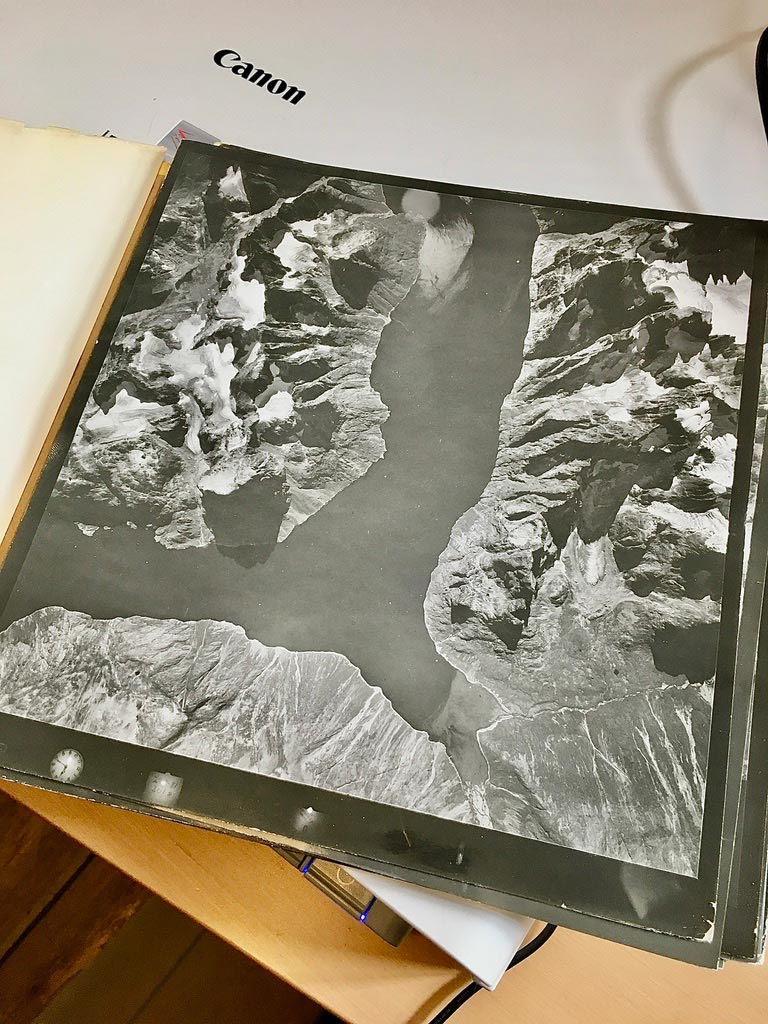


An aerial photo of Greenland’s coastline 
from the Danish National Archives
credits: Laura Larocca
via SciTechDaily


Os investigadores apuraram que mais de mil gigatoneladas (ou 20% do total anteriormente calculado), do gelo ao redor dos limites da Gronelândia foram perdidas nos últimos 40 anos, sem terem sido contabilizadas.


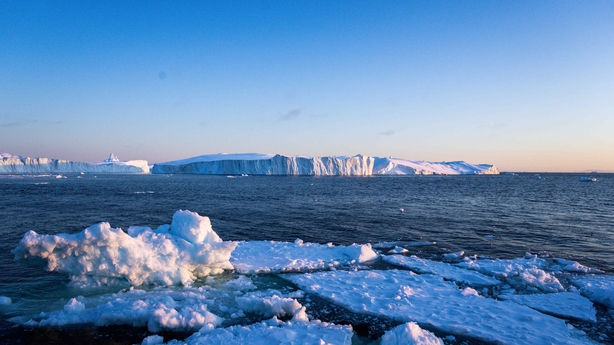
Na investigação, publicada na revista Nature, os cientistas indicam que o gelo nas costas da ilha já está na água, pelo que o impacto directo na subida do nível das águas é “mínimo”.No entanto, pode indiciar um maior derretimento geral dos glaciares, permitindo que as massas de gelo deslizem mais facilmente para o oceano.


credits: unknown
via RTÊ


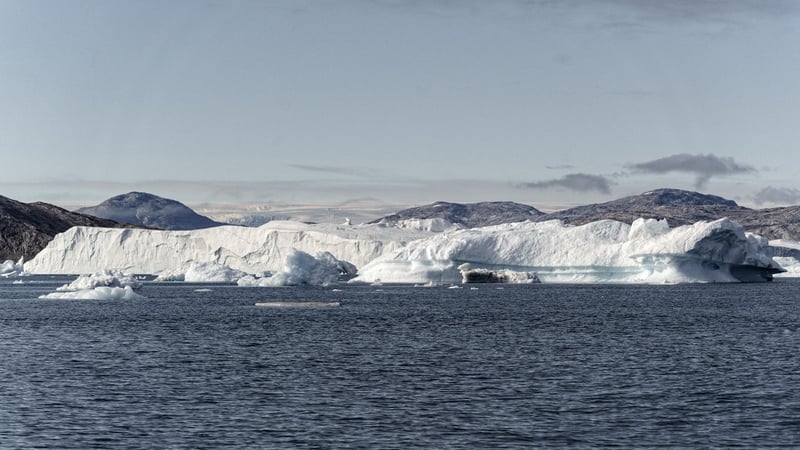
Outro impacto desta realidade observada preocupa os cientistas, já que o degelo esta a causar perturbações nas correntes de águas profundas, principais impulsionadores dos padrões climáticos globais. Com o ‘extra’ de água doce das massas de gelo a entrarem no oceano, a Circulação Meridional do Atlântico (AMOC), sistema que regula a transferência global de calor dos trópicos para o hemisfério norte, poderá ser afetada.


Já no ano passado, cientistas internacionais tinham alertado que as mudanças registadas na AMOC e o derretimento de camadas de gelo estavam entre os pontos críticos das alterações climáticas, e que representavam uma “ameaça sem precedentes” à humanidade.


credits: unknown
via ERTÊ


A collaborative study has found that Greenland’s peripheral glaciers are retreating at an unprecedented rate, with the retreat in the 21st century being twice as fast as in the 20th century. This rapid change, linked to climate change, was revealed through a combination of satellite and historical aerial imagery.


Greenland’s expansive ice sheet is known to be shrinking, especially since the 1990s, because of warming from climate change. It’s a fate shared by the Antarctic Ice Sheet as well as glaciers around the world. Now, a new study reveals that about 20 percent more of the Greenland ice sheet has disappeared than previous estimates show.
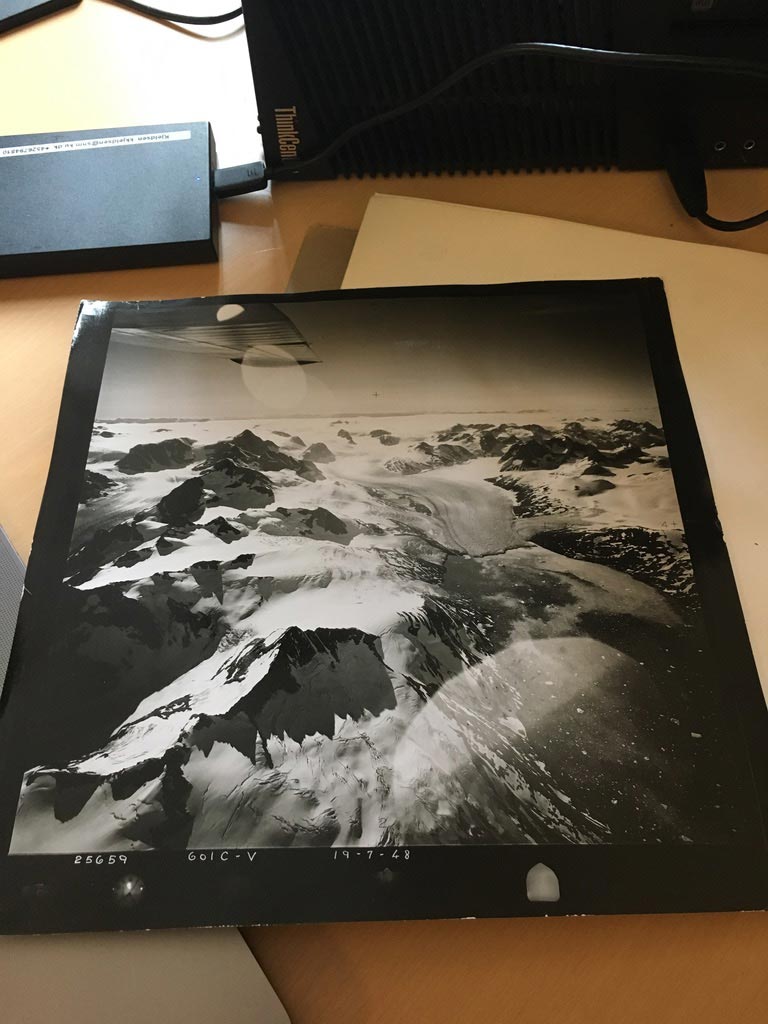


An aerial photo of Greenland’s coastline 
from the Danish National Archives
credits: Laura Larocca
via SciTechDaily

The missing ice has been breaking and melting from the ends of glaciers around Greenland’s perimeter. The new research, published Wednesday in the journal Nature, provides a detailed accounting of a process that scientists knew was happening but had struggled to measure comprehensively.
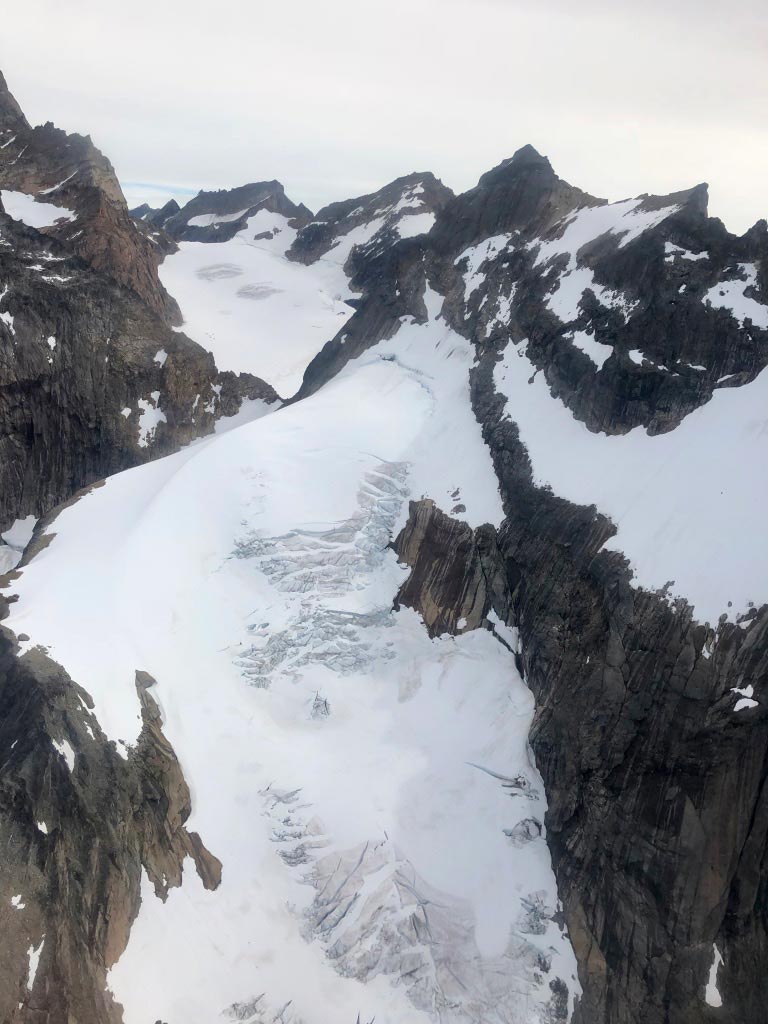


Photo of present-day Greenland, taken during a field research trip 
by Northwestern University researchers.
 credits: Laura Larocca
via SciTechDaily

“Almost every glacier in Greenland is retreating. And that story is true no matter where you look,” said Chad Greene, a glaciologist at the NASA Jet Propulsion Laboratory and the lead author of the study. “This retreat is happening everywhere and all at once.”

(...)


Dr. Greene’s team combined more than 200,000 observations of glacier end points, covering almost all of Greenland, based on satellite images taken from 1985 to 2022. The researchers used observations from existing public data sets and combined them to create a comprehensive bird’s-eye view of the contracting edges of Greenland’s ice sheet over the past 40 years. Read more here


Sad news for all of us !


Geração 'polar'


17.01.2024


Sources: Executive Digest/ Nature/ New Scientist/ NYT Climate

Tuesday, January 2, 2024

Árctico : Vestígios de componentes de protectores solares encontrados ?!


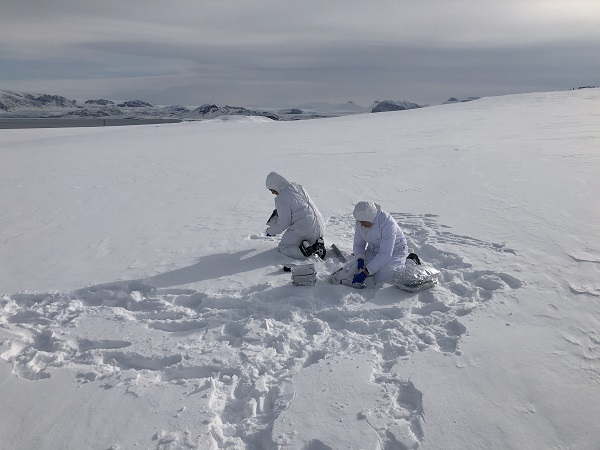
Investigadores recolhem amostras de neve em Svalbard, Noruega.
credits: Federico Scoto, coautor do artigo abaixo descrito


A poluição não tem fronteiras. Ao Árctico já vhegam vestígios de componentes de protectores solares?!


Uma recente investigação vem reforçar isto, ao descobrir vestígios de componentes de protectores solares em amostras de neve recolhidas nos glaciares do arquipélago de Svalbard, no território da Noruega, na região do Árctico.


Num estudo divulgado na publicação online ‘Science of the Total Environment’, investigadores italianos e noruegueses revelam que esta é a primeira vez que contaminantes como octocrileno, oxibenzona, metoxicinamato de octilo e outros agentes usados em produtos para proteção da pele da radiação solar são encontrados em neve nessa região do planeta.


credits:  Chemicals of Emerging Arctic Concern in north-western Spitsbergen snow

Marco Vecchiato, investigador da Universidade Ca’Foscari, em Veneza, e um dos principais autores do artigo, explica que a detecção de "contaminantes emergentes” – compostos químicos cuja presença no ambiente não tinha no passado sido considerada e que podem ser prejudiciais para a saúde humana e ambiental – em áreas remotas da Terra pode ser atribuída ao transporte atmosférico.


O cientista afirma, em comunicado, que as maiores concentrações desses químicos foram encontradas em neve depositada durante o Inverno árctico, apontando que "no final do inverno, as massas de ar contaminadas da Eurásia alcançam o Ártico mais facilmente."


Explica ainda que, por serem usados sobretudo em produtos de cuidado pessoal para minimizar os danos causados à pele pelos raios ultravioleta emitidos pelo Sol, "esses contaminantes só podem vir de regiões continentais habitadas a menores latitudes."


“Em Svalbard, durante a noite c, o Sol não nasce e os protectores solares não são usados”

Marco Vecchiato


credits:  Chemicals of Emerging Arctic Concern in north-western Spitsbergen snow


Os cientistas acreditam que esta investigação será importante para a criação e implementação de programas de monitorização da poluição do Árctico e para “a protecção do ecossistema local”, uma vez que outros estudos já revelaram que a presença desses contaminantes em ambientes aquáticos pode causar alterações endócrinas e hormonais potencialmente prejudiciais aos organismos.


Numa altura em que o aumento da temperatura média do planeta Terra está a subir de ano para ano, é expectável que esses químicos, agora depositados em massas geladas, acabem por ser arrastados para o mar com as águas do degelo, impactando as formas de vida e ecossistemas que vivem nas águas gélidas do Árctico, onde as alterações climáticas estão a acontecer quatro vezes mais rapidamente do que em qualquer outra região do planeta.


in Chemicals of Emerging Arctic Concern in north-western Spitsbergen snow (mini resumo)


Nota: Leiam o artigo completo (open source)

https://www.sciencedirect.com/science/article/pii/S0048969723070298?via%3Dihub


credits:  Chemicals of Emerging Arctic Concern in north-western Spitsbergen snow


The implementation of pollution monitoring programs in the Arctic has made it clear that this region is no longer as pristine as it was considered at the beginning of the past century.


We report a preliminary study on the spatial and seasonal distribution of 13 ingredients commonly found in personal care products, including fragrance materials, UV filters, BHT and BPA. Possible sources and deposition processes are discussed. 


The environmental matrix in which these chemicals are more likely to be found may vary depending on the environmental conditions of the deposition area and the specific chemical properties of the compounds


credits:  Chemicals of Emerging Arctic Concern in north-western Spitsbergen snow

https://www.sciencedirect.com/science/article/


Conclusions:


These results obtained from this study reveal that CEACs are present in the snowpack near Ny-Ålesund and in glaciers up to 40 km away from the village. For some chemicals investigated, this is the first report of their occurrence in snow samples in the Arctic environment. The implications are crucial if we consider that the annual snow cover is a temporary reservoir for chemicals, and they are re-emitted into the environment in a relatively short time during the melting season.

(...)

in Chemicals of Emerging Arctic Concern in north-western Spitsbergen snow (excerpts)


Note: Read the entire article (open source) :

https://www.sciencedirect.com/science/article/pii/S0048969723070298?via%3Dihub


Geração polar

02.01.2024


sources: Greensavers/ Journal Science of the Total Environment (open source)

Monday, December 25, 2023

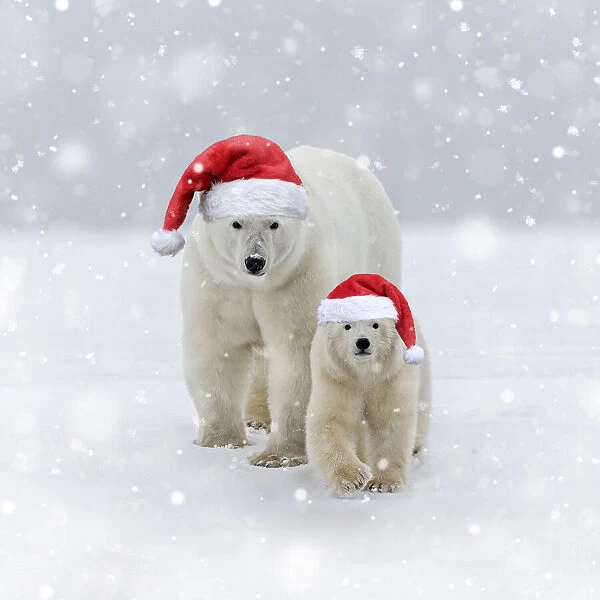
Feliz Ano 2024 ! SOS Ambiente ! Pensem nos animais polares em dificuldade de sobrevivência !


credits_ iStock


Aos nossos leitores e seguidores, esperamos que tenham tido um Feliz Natal! E que 2024 possa ser um Ano de esperança para o Mundo. 


E um empenhamento maior na defesa do Ambiente, e na protecção do habitat dos animais polares que com o degelo estão em vias de náo poderem sobreviver.


Boas Festas para todos! Protejam o Ambiente  e a biodiversidade polar!


credits: mediastorehouse


We hope you had a wonderful Christmas, everyone! And may the new Year 2024 be of hope to the world.


A greater commitment to defend the Environment, and protect the habitat of all the polar animals.


Happy Holidays to all our readers! Protect the Environment and its Biodiversity!


Happy Festive season for all our readers! And a Happy New Year 2024 !


Geração 'Green'

25.12.2023


Sunday, November 26, 2023

COP 28 & Antactida : Secretário Geral da ONU António Guterres visita Antarctida !


Antactida
credits: United Nations


"I've come to Antarctica ahead of #COP28. Ice here is melting at record rates - raising sea levels & endangering lives & livelihoods on coasts across the world. Let's get the climate crisis under control. Let's protect Antarctica to protect ourselves."


António Guterres, Secretário-Geral da ONU


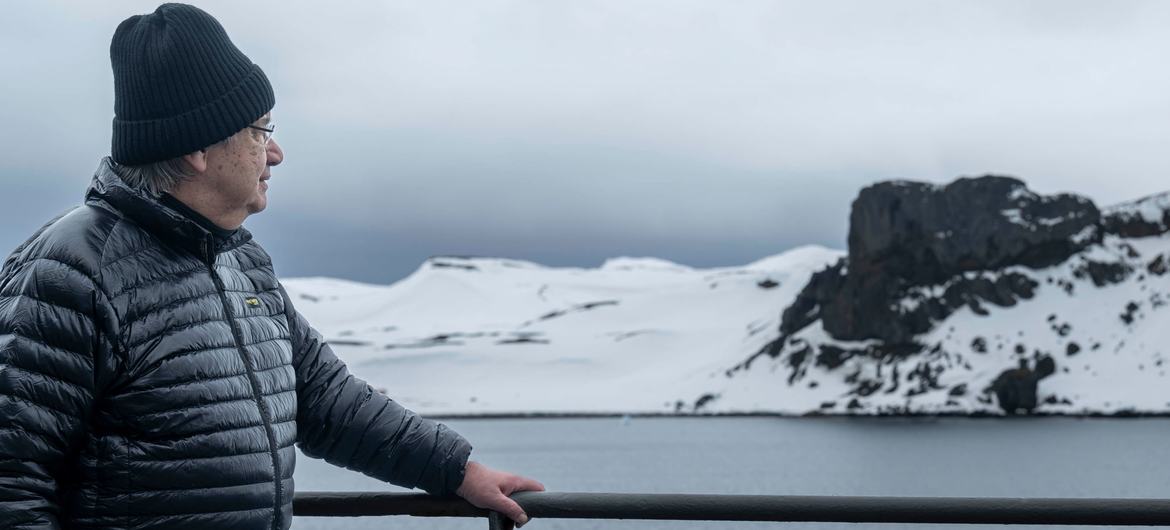
Em viagem na Antárctida, o Secretário-Geral da ONU, António Guterres, disse estar alarmado com o que está acontecer na região. 


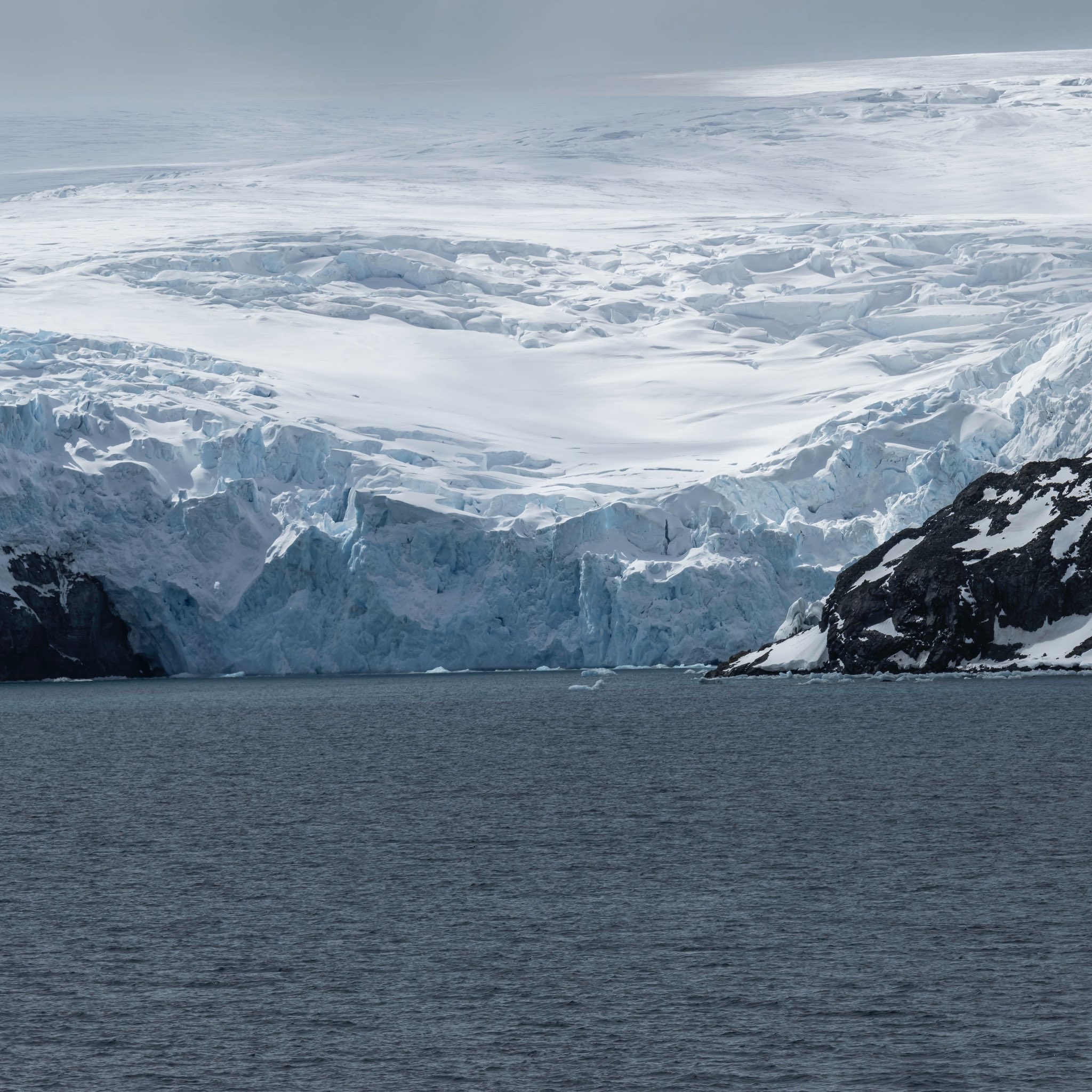
Diante dos glaciares, afirmou que as evidências mostram, “de forma esmagadora, há uma aceleração do derretimento do gelo, o que poderá ser catastrófico para as comunidades costeiras de todo o mundo”.


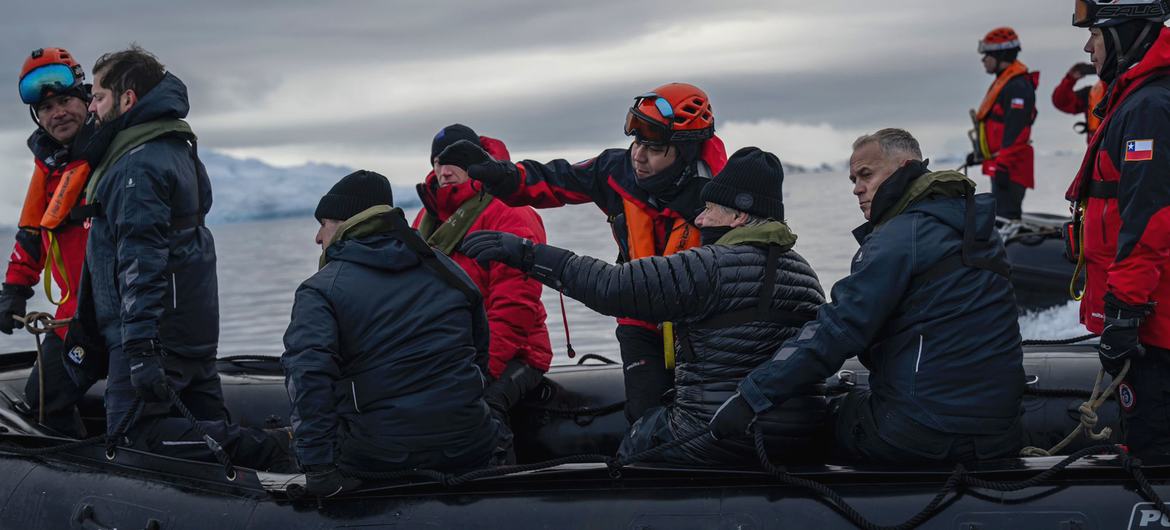
O secretário-geral da ONU, António Guterres (no centro) visita a base Frei Antárctica
credits: 
ONU/Mark Garten


Impacto do Aquecimento Global:


Para o chefe da ONU, a Antárctida, que tem sido chamada de 'gigante adormecido', actualmente “está a ser despertada pelo caos climático”.


O Secretário-geral, António Guterres também afirmou que “a poluição provicada pelos combustíveis fósseis está a aquecer o planeta, desencadeando a anarquia climática na Antárctida”. Acrescentou que o Oceano Antárctico absorveu a maior parte do calor do aquecimento global.

O líder da ONU dirigiu a sua mensagem aos líderes que participarão na 28ª Conferència Mundial do Clima, COP28, nos Emirados Árabes dias 30 de Novembro a 12 de Dezembro 2023. 


Pedirá acção imediata para limitar o aumento da temperatura global a 1,5°C, proteger as pessoas do caos climático e acabar com a era dos combustíveis fósseis. 


COP28
credits: UN

Preservação da esperança:


Secretário-Geral António Guterres declarou que o mundo não deve permitir que todas as esperanças de um planeta sustentável se desfaçam.


Diisse ainda esperar que na COP28, os países sejam capazes de decidir sobre a eliminação progressiva dos combustíveis fósseis, que apelidou de "a causa profunda das alterações climáticas".


O chefe das Nações Unidas afirmou que “o que acontece na Antárctida não fica na Antárctida”. Ressaltou que é necessário proteger a região para proteger toda a Humanidade.


António Guterres realizou a visita juntamente com o presidente do Chile, Gabriel Boric.Visitou a Base Científica Professor Julio Escudero, onde teve reuniões com cientistas.


Antactida
credits: United Nations

"Antarctica is geographically remote for most of us, but its future is closely linked to that of future generations.

I was encouraged to see how people working in & for Antarctica are guided by cooperation, not competition.

This is the spirit we need next week at #COP28."


António Guterres, UN Secretary-General


António Guterres, UN General Secretary
Antactida
credits: United Nations

António Guterres is in Antarctica this week, where he saw first-hand how climate change is impacting the world’s southernmost continent, which is mostly covered in ice.

Antarctica has been called the sleeping giant, but it is now being awoken by climate chaos, the UN Secretary-General has warned.


Antactida
credits: United Nations


"I am alarmed by what is happening in Antarctica where the evidence overwhelmingly shows that there is an acceleration of melting of ice, which could be catastrophic to coastal communities everywhere. What happens in Antarctica doesn’t stay in Antarctica."

António Guterres, UN Secretary-General


Antactida
credits: United Nations


The hit is on:

“Fossil fuel pollution is heating our planet, unleashing climate anarchy in Antarctica,” said Mr. Guterres, adding that the Southern Ocean has taken the majority of the heat from global warming.


“That means ice is melting into the ocean at record rates. Melting ice means sea levels rising at record rates," he explained.

"That directly endangers the lives and livelihoods of people in coastal communities across the globe. It means homes are no longer insurable. And it threatens the very existence of some small island States.” 


Antactida
credits: United Nations

Fossil fuels are the root cause of climate change, and impacts are felt everywhere, including here in Antarctica.


The UN Secretary-General hope that countries at #COP28 will be able to decide on the phase out of fossil fuels, with a clear time frame aligned to the 1.5° warming limit.


Antactida
credits: United Nations


Biodiversity is essential for human survival.

But in Antarctica - and around the world - flora and fauna are threatened by the climate crisis.

We must protect our common home for the sake of the planet & for the generations that will come after us.


Antactida
credits: United Nations


Unleashing catastrophe worldwide:


Antarctic sea ice is at an all-time low.  New figures show that this September, it was 1.5 million square kilometers smaller than the average for the time of year – “an area roughly the size of Portugal, Spain, France and Germany combined.”


The Secretary-General appealed for world leaders attending the COP28 climate change conference in Dubai next week to act now to limit global temperature rise to 1.5 degrees Celsius.


Antactida
credits: United Nations


He also urged them to protect people from climate chaos, and end the fossil fuel age, saying “we must not let all hopes for a sustainable planet melt away.’


Mr. Guterres noted that the Greenland ice sheet is also melting fast, losing over 250 gigatons of ice every year.


“All of this spells catastrophe around the world. What happens in Antarctica doesn’t stay in Antarctica. And what happens thousands of miles away has a direct impact right here,” he said.


Limit temperature raise:


The Secretary-General appealed for world leaders attending the COP28 climate change Conference in Dubai this week 1- 2 December, to act now to limit global temperature rise to 1.5 degrees Celsius.


He also urged them to protect people from climate chaos, and end the fossil fuel age, saying “we must not let all hopes for a sustainable planet melt away.’


The UN chief visited the Professor Julio Escudero research base last Saturday where he was  briefed by scientists.


“All of this spells catastrophe around the world. What happens in Antarctica doesn’t stay in Antarctica. And what happens thousands of miles away has a direct impact right here,” 


António Guterres, UN Secretary-General

Let's hope that the COP28 will be positive not only there, but all the time to come


Geração 'explorer'

26.11.2023


Sources: António Guterres Twitter/ X / United Nations